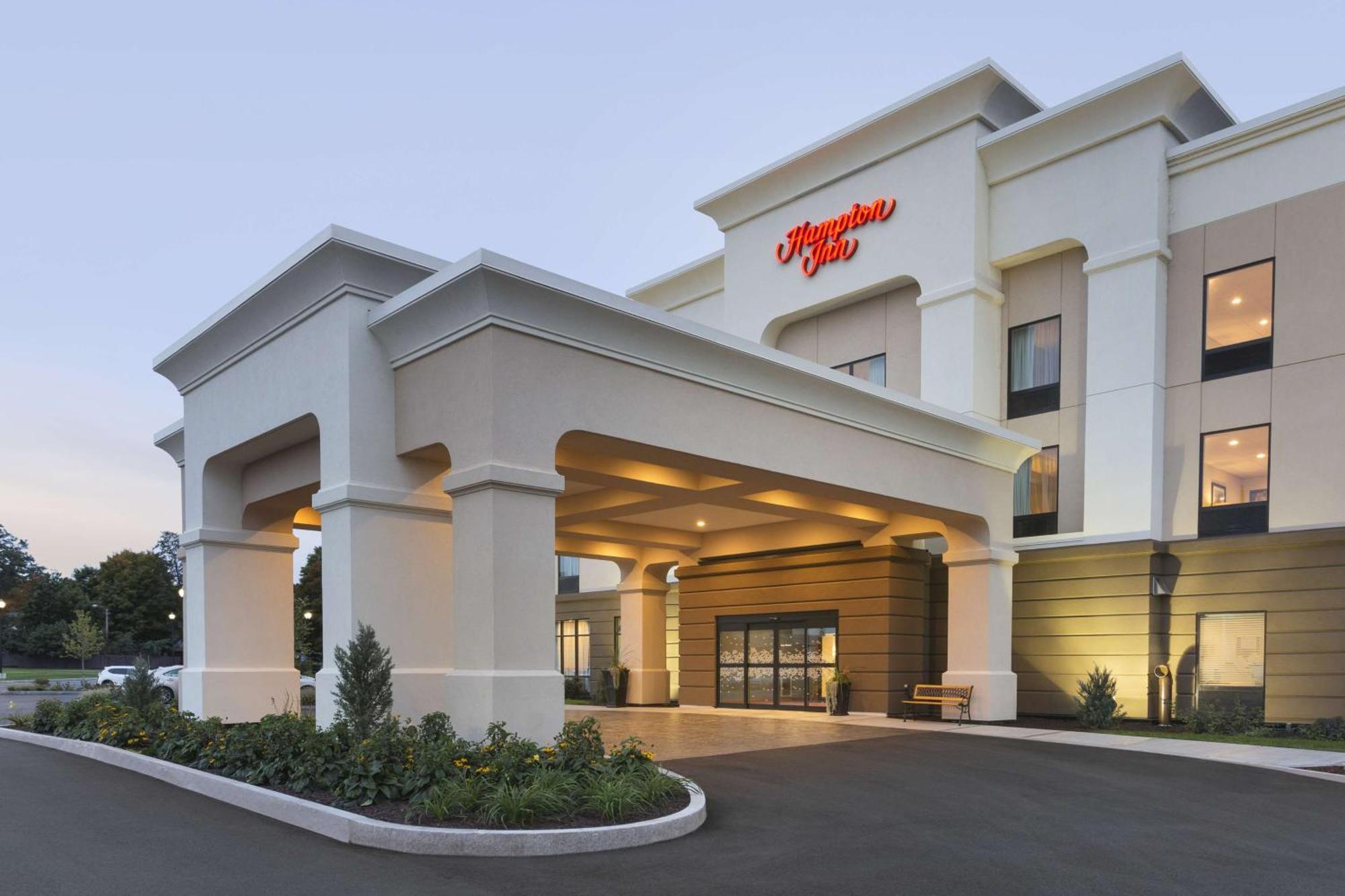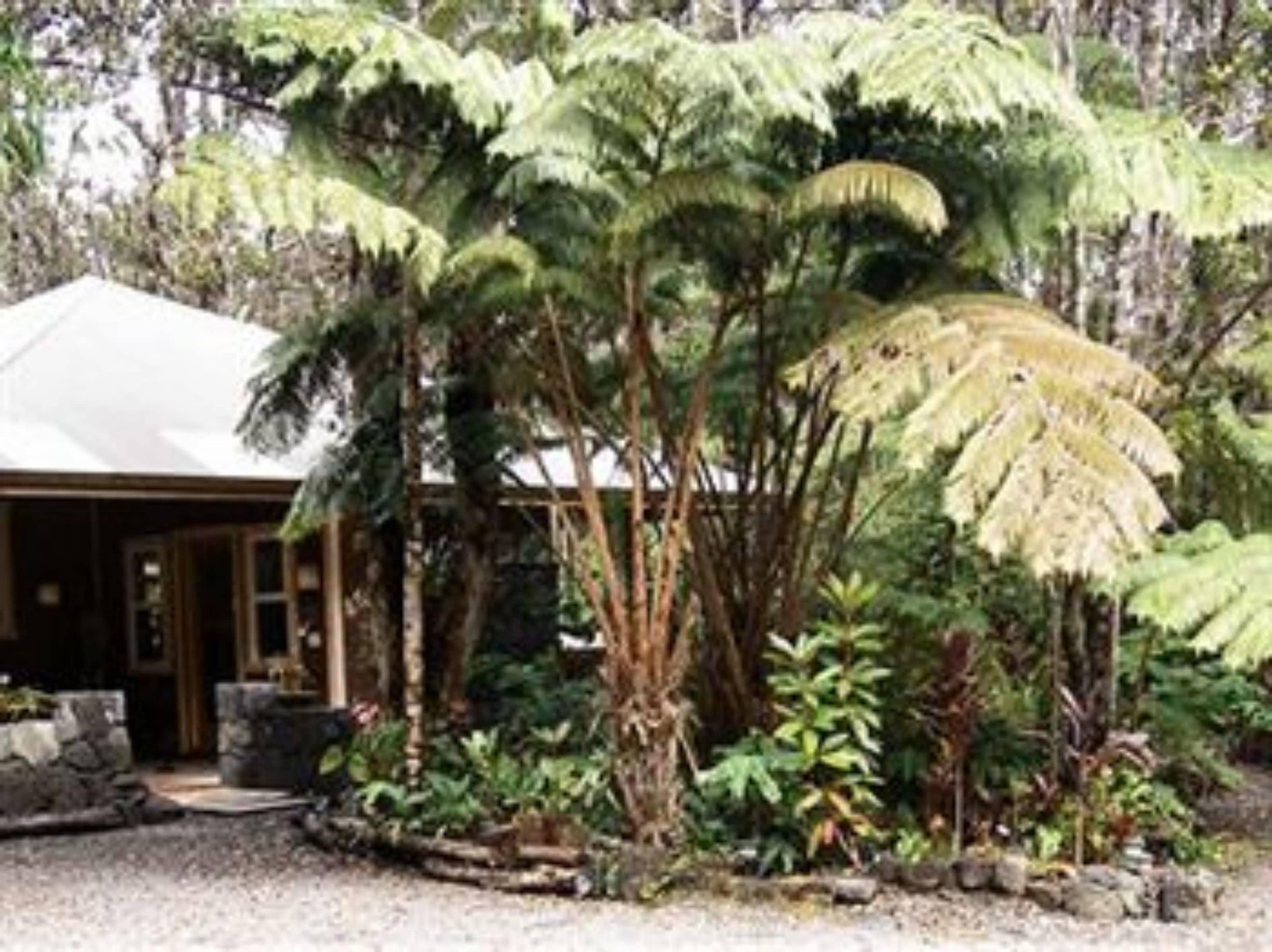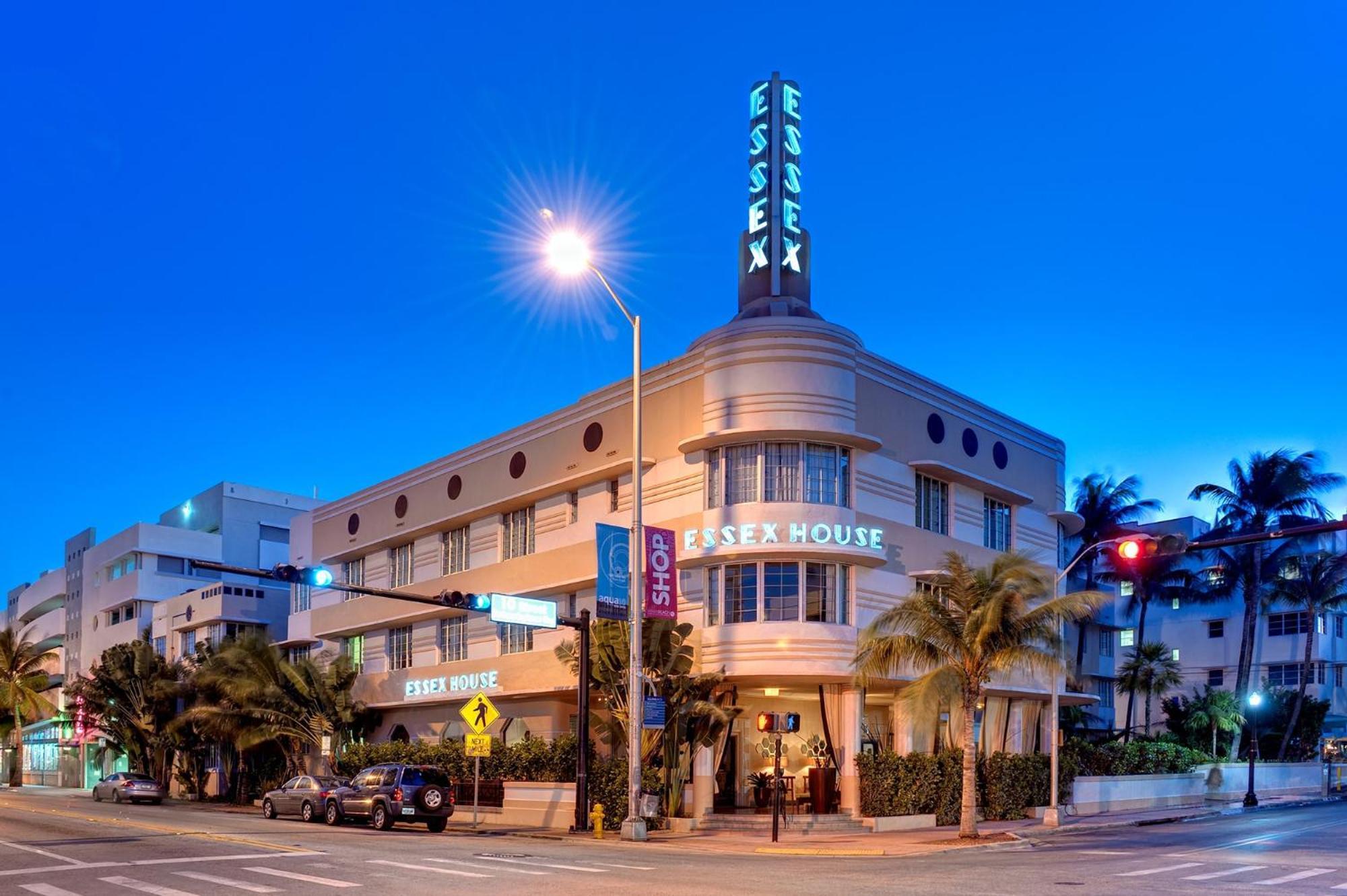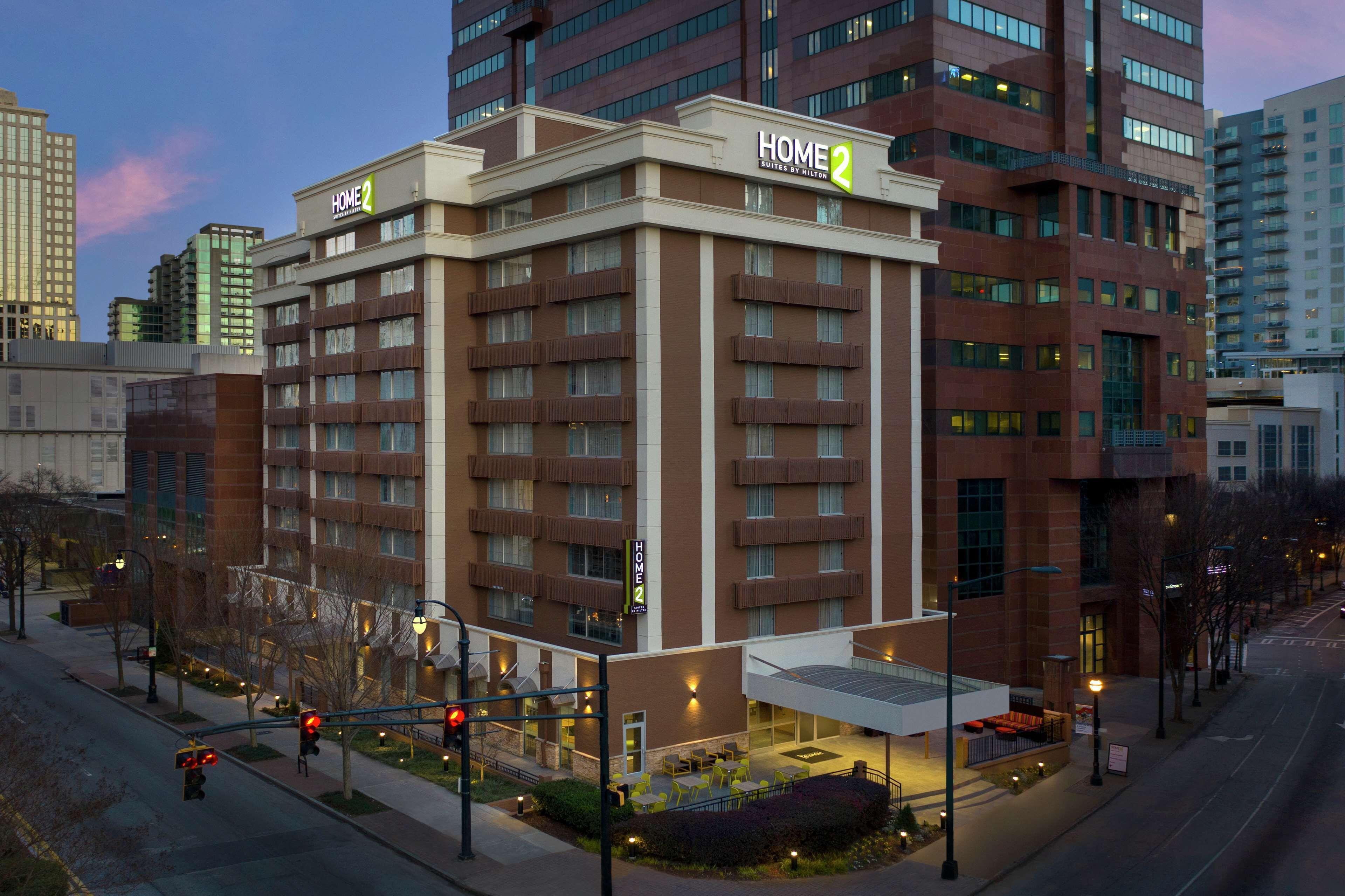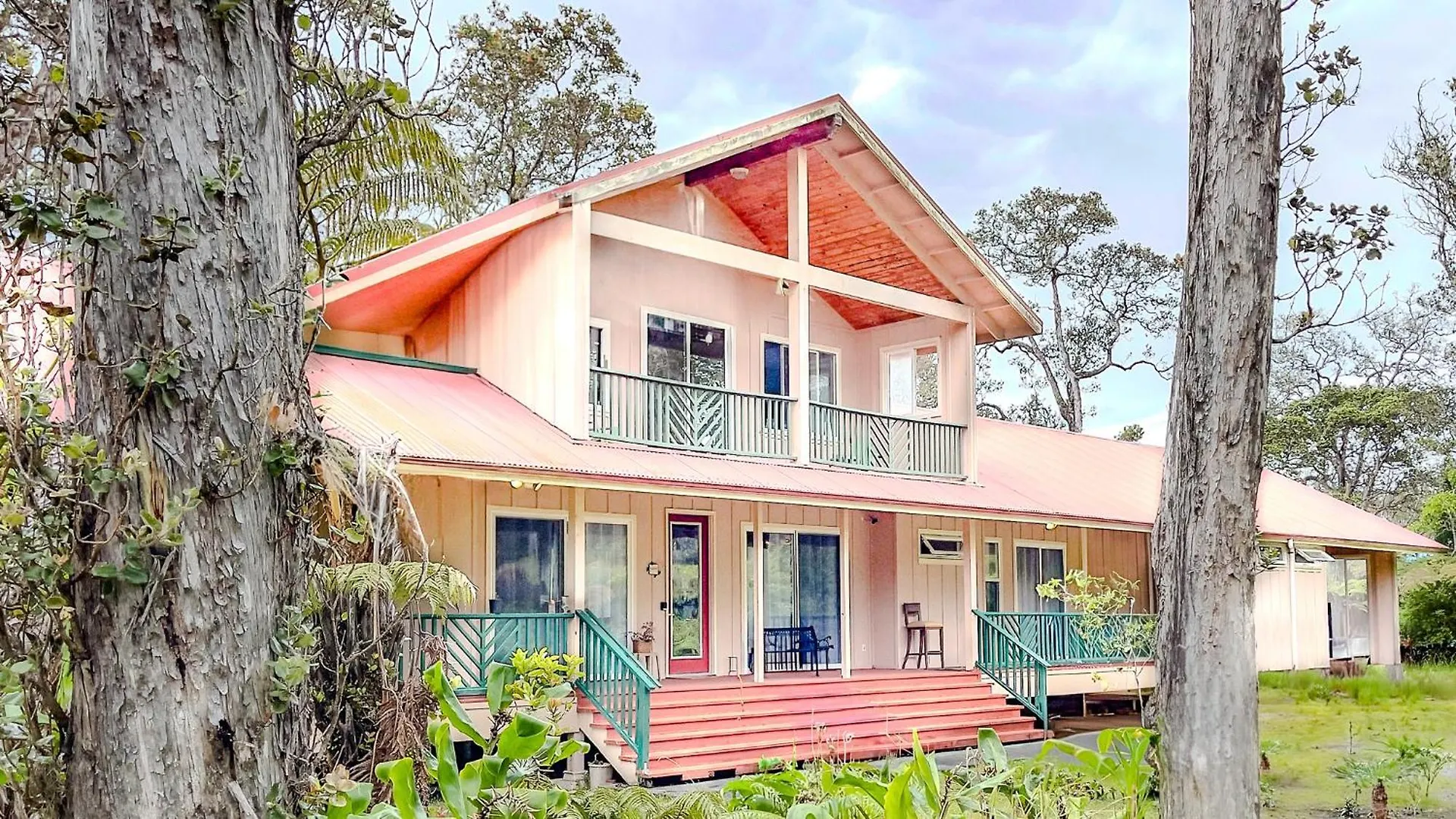
Hawaii's hotel landscape spans volcanic highlands, beachfront Maui resorts, and the urban energy of Honolulu's Waikiki strip - and the design hotels here reflect that diversity more than anywhere else in the Pacific. Whether you're after a hillside suite above three Hawaiian Islands or a rainforest inn steps from an active volcano, these eight properties each bring a distinct architectural and experiential identity. This guide compares them by location, positioning, and practical value to help you decide where to book.
What It's Like Staying in Hawaii
Hawaii is not one destination - it's six distinct islands, each with a different rhythm, landscape, and travel pace. Oahu's Waikiki is walkable and dense, with Honolulu's grid making it easy to move between beach, dining, and cultural sites on foot. Maui moves slower, with most guests relying on a rental car to reach different coasts. The Big Island is the most geographically extreme, where you can drive from sea level to near-freezing volcanic summit in under two hours. Inter-island flights average around 40 minutes, making multi-island trips realistic for stays of 10 days or more.
Pros:
- Each island offers a genuinely different landscape and atmosphere - volcanic, tropical, or urban coastal
- Year-round warm climate with trade winds keeping temperatures manageable even in summer
- High concentration of world-class snorkeling, hiking, and cultural sites within short drives of most hotels
Cons:
- Car rental is near-essential on Maui and the Big Island - public transport is limited outside Honolulu
- Inter-island logistics add cost and planning complexity for multi-island itineraries
- Peak season demand drives accommodation prices sharply upward, especially on Maui's west coast
Why Choose Exceptional Design Hotels in Hawaii
Hawaii's design hotel segment sits at the intersection of local cultural storytelling and architectural intentionality - these properties don't just offer a room; they embed guests in a specific Hawaiian environment, whether that's a rainforest clearing, a volcanic village, or a clifftop above the Pacific. Unlike standard resort chains that dominate Waikiki, design-forward properties on Maui and the Big Island tend to be smaller, more spatially generous, and more deliberate in their use of natural materials and outdoor living. Suites at top design properties can run around 30% more than comparable chain rooms, but typically offer private decks, elevated views, or immersive landscaping that standard hotels don't replicate. The trade-off is that some of these properties are remote, requiring a car and advance planning for dining outside the hotel.
Pros:
- Architecturally distinct rooms with private decks, garden views, or ocean-facing terraces that chain hotels rarely offer
- Smaller guest counts mean less crowding at pools, restaurants, and shared amenities
- Strong sense of place - materials, cuisine, and programming are anchored in Hawaiian culture and landscape
Cons:
- Remote locations on Maui's south coast or the Big Island require car rental and limit spontaneous dining options
- Premium pricing with fewer points redemption opportunities compared to major chain properties
- Some design properties are adults-only or have limited facilities for children, narrowing suitability for families
Practical Booking & Area Strategy
For first-time visitors, Waikiki in Honolulu is the most accessible base - Hyatt Regency Waikiki places guests within walking distance of beaches, the Honolulu Zoo, Diamond Head trailhead, and over 60 in-hotel shops and dining options. Maui's Wailea corridor on the south coast concentrates Hawaii's highest-end design properties, with Ulua Beach and Wailea Beach reachable on foot from most hotels; Kahului Airport is around 30 km away, making a rental car the practical standard. On the Big Island, Volcano Village sits near Hawaii Volcanoes National Park, where Kilauea's active lava landscapes are the primary draw - properties here suit visitors prioritizing hiking and geological exploration over beach access. Book Maui's design hotels at least 10 weeks in advance for travel between December and April, when whale watching season aligns with peak occupancy. Hilo on the Big Island offers a lower-cost eastern base with proximity to Rainbow Falls, Pana'ewa Rainforest Zoo, and the Pacific Tsunami Museum, all within a short drive.
Best Value Design Stays
These properties deliver strong design character and location-specific experiences at a more accessible price point, making them well-suited for travelers who want Hawaii's atmosphere without the top-tier resort rate.
-
1. Volcano Forest Inn
Show on map


 Check-infrom 15:00 until 21:00Check-outuntil 11:00
Just a few rooms left at the best rate!
fromUS$ 135
-
2. Hilo Reeds Bay Hotel
Show on map


 Check-infrom 15:00 until 22:00Check-outfrom 07:00 until 11:00
Just a few rooms left at the best rate!
fromUS$ 134
-
3. Gardens At West Maui
Show on map


 Check-infrom 16:00 until 23:59Check-outuntil 11:00
Just a few rooms left at the best rate!
fromUS$ 129
-
4. Courtyard By Marriott Maui Kahului Airport
Show on map


 Check-infrom 15:00 until 23:59Check-outuntil 12:00
Hurry – almost gone at this price!
fromUS$ 247
Best Premium Design Stays
These four properties represent Hawaii's most architecturally and experientially ambitious hotels - each commanding a premium for views, spatial design, or immersive programming that positions them well above standard resort offerings.
-
5. Hyatt Regency Waikiki Beach Resort & Spa
Show on map


 Check-infrom 15:00 until 23:59Check-outuntil 11:00
Hurry – almost gone at this price!
fromUS$ 219
-
6. Wailea Beach Resort - Marriott, Maui
Show on map


 Check-infrom 16:00 until 23:59Check-outuntil 12:00
Hurry – almost gone at this price!
fromUS$ 248
-
7. Hotel Wailea, Relais & Chateaux - Adults Only
Show on map


 Check-infrom 15:00 until 23:59Check-outuntil 12:00
Rooms filling fast – secure the best rate!
fromUS$ 974
-
8. Four Seasons Resort Maui At Wailea
Show on map


 Check-infrom 16:00 until 23:59Check-outuntil 12:00
Rooms filling fast – secure the best rate!
fromUS$ 495
Smart Travel & Timing Advice for Hawaii
Hawaii's peak season runs from mid-December through April, driven by winter escapes from the US mainland and whale watching season off Maui's west coast - humpback whales are most visible from January through March, and Wailea hotel rates during this window reflect that demand. Summer (June-August) is the second busiest period, with family travel pushing occupancy on Oahu and Maui. The shoulder months of May and September-November offer the most favorable combination of price, weather, and crowd levels, with hotels often running around 20% below peak rates. For the Big Island's volcanic sites, there is no true off-season - Hawaii Volcanoes National Park draws visitors year-round, but Volcano Village properties are quietest in late September and October. Book premium Wailea properties at least 10 weeks ahead for any December-to-April travel; last-minute availability on Maui's south coast is rare and expensive. A minimum of five nights on any single island is the practical threshold for moving beyond arrival logistics and actually experiencing the landscape at pace.