Upstate New York stretches from the Finger Lakes wine country and the Corning glass district to the rural lakeshores of Lake Ontario - a region where travelers come for outdoor immersion, cultural museums, and small-town authenticity rather than urban density. Design-forward hotels here are fewer than in NYC, but those that exist tend to offer significantly more space, better parking logistics, and a stronger connection to regional character than anything you'd find downstate.
What It's Like Staying in Upstate New York
Upstate New York covers a vast, loosely defined territory anchored by mid-sized cities like Rochester, Syracuse, and Corning, surrounded by glacial lakes, state parks, and wine trails. This is car-dependent territory - public transit between towns is limited, and most design hotel guests arrive by vehicle, often mid-road trip or as a base for multi-day regional exploration. Crowds are seasonal and concentrated around summer weekends, harvest festivals in September, and leaf-peeping in October, when accommodation fills fast in Finger Lakes towns like Penn Yan and Watkins Glen.
Travelers who benefit most from staying here are those who want access to nature and regional culture - wineries, glassmaking heritage, boating museums - without paying Manhattan rates. Budget-conscious road trippers and couples on wine-country weekends get the most value. Urban travelers expecting walkable neighborhoods or late-night dining scenes may find the pace too slow.
Pros:
- Free parking is nearly universal at Upstate hotels, eliminating a daily cost that routinely runs around $60 in NYC
- Room sizes are substantially larger than downstate equivalents, with suites and kitchenette rooms common even at mid-range properties
- Regional attractions - Watkins Glen gorge, Corning Museum of Glass, Finger Lakes wineries - are spread across a driveable radius, making a central hotel base highly practical
Cons:
- No viable inter-city public transport means renting or owning a car is non-negotiable for most itineraries
- Dining options near hotels in smaller towns like Penn Yan or Pulaski are limited after 9 PM
- Peak-season weekends in the Finger Lakes see demand spikes that push rates up sharply with very little last-minute availability
Why Choose Design Hotels in Upstate New York
Design-category hotels in Upstate New York don't follow the boutique-hotel playbook of converted brownstones or rooftop bars - instead, they tend to express regional identity through curated amenities, proximity to landmark cultural institutions, and practical upgrades like full kitchens or spa facilities that support multi-night stays. These properties typically price around 20% above standard chain hotels in the same towns, but the gap closes quickly when you factor in included breakfast, free parking, and wellness facilities that would cost extra elsewhere. Room sizes in this category average noticeably larger than equivalent-priced urban boutique hotels, with many offering studio or suite configurations suited to 3-night or longer visits.
The trade-off is location realism: design hotels here sit in suburban or small-town commercial strips rather than walkable historic cores. The visual aesthetic leans toward polished-contemporary rather than architectural statement. Travelers choosing this category over a standard roadside motel gain meaningful comfort upgrades - indoor pools, spa tubs, fitness centers, business centers - without the premium of a true luxury resort.
Pros:
- Spa and wellness facilities (indoor pools, hot tubs, fitness centers) are common at this price tier in Upstate, unlike in comparable downstate markets
- Breakfast inclusion is frequent, reducing daily travel costs on multi-night itineraries across the region
- Extended-stay configurations with in-room fridges and kitchenettes suit the slower, exploratory pace most Upstate visitors prefer
Cons:
- Walkability scores are generally low - most properties require driving even to a nearby restaurant
- Design language is brand-defined rather than locally distinct; interiors feel elevated-chain rather than independently curated
- Limited late-night amenities; bars and restaurants on-site or nearby typically close before 10 PM in smaller towns
Practical Booking & Area Strategy
The most strategically positioned base for Upstate New York depends entirely on your itinerary. Penn Yan sits at the geographic heart of the Finger Lakes, placing you within driving range of Seneca Lake wineries, Watkins Glen International, and the Glenn H. Curtiss Museum in Hammondsport without committing to a single spoke of the lake system. Corning, on the southern edge, is the strongest cultural anchor - the Corning Museum of Glass draws over 400,000 visitors annually and sits under a kilometer from lodging options in town, making it the most walkable museum-hotel pairing in the region.
Batavia works as a transit-hub base: positioned between Buffalo and Rochester on the I-90 corridor, it gives road trippers efficient access to Darien Lake and Genesee Country Village without backtracking. Pulaski, near Lake Ontario, targets a more niche traveler - primarily salmon fishing enthusiasts and visitors to the eastern Adirondack fringe. Book at least 6 weeks ahead for any Finger Lakes stay between late June and mid-October, especially for weekends overlapping with races at Watkins Glen International or harvest season at regional wineries.
Best Value Stays
These properties deliver the strongest combination of amenities, included services, and regional positioning relative to their price point - practical choices for travelers prioritizing comfort and access without premium pricing.
-
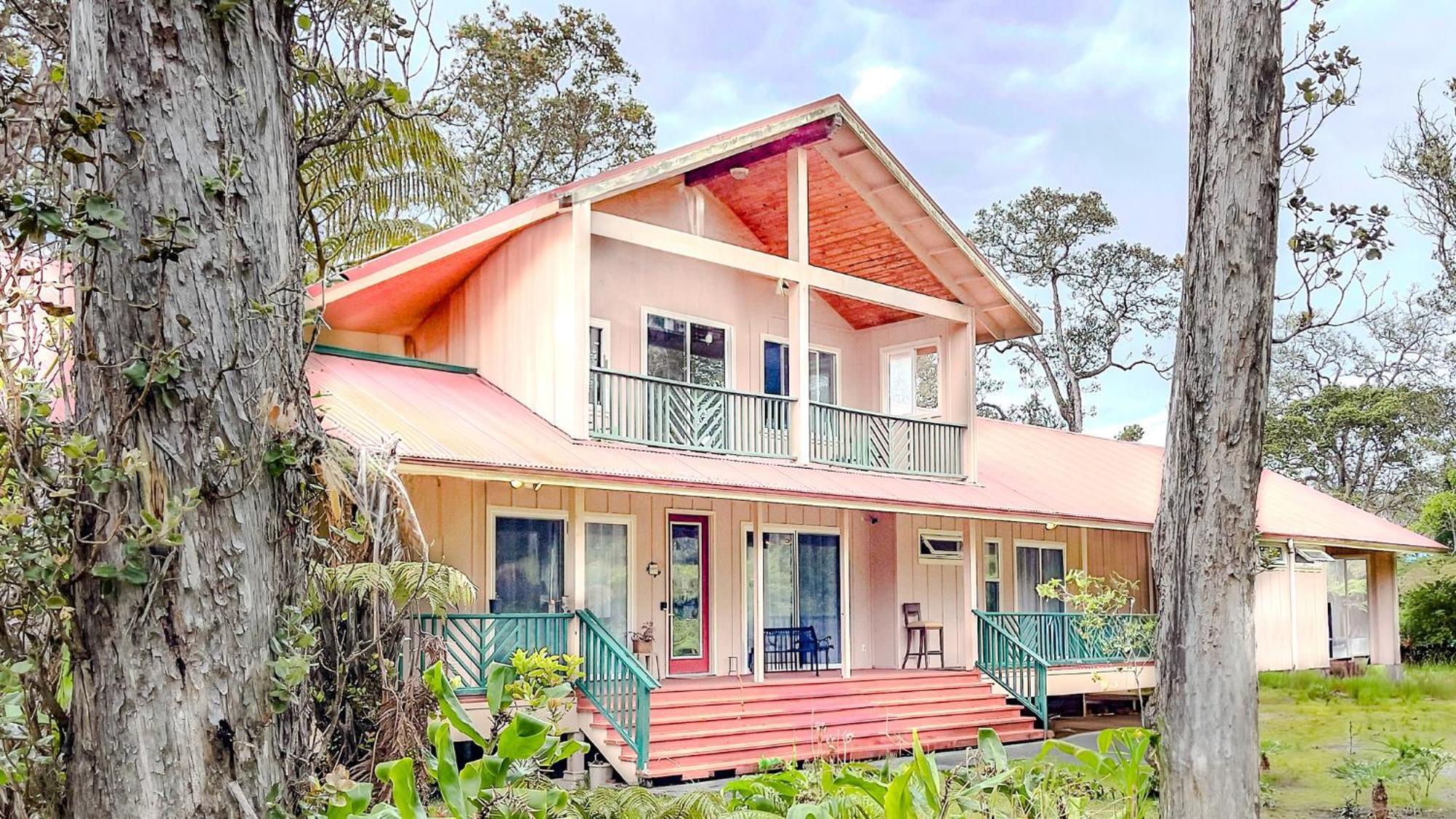
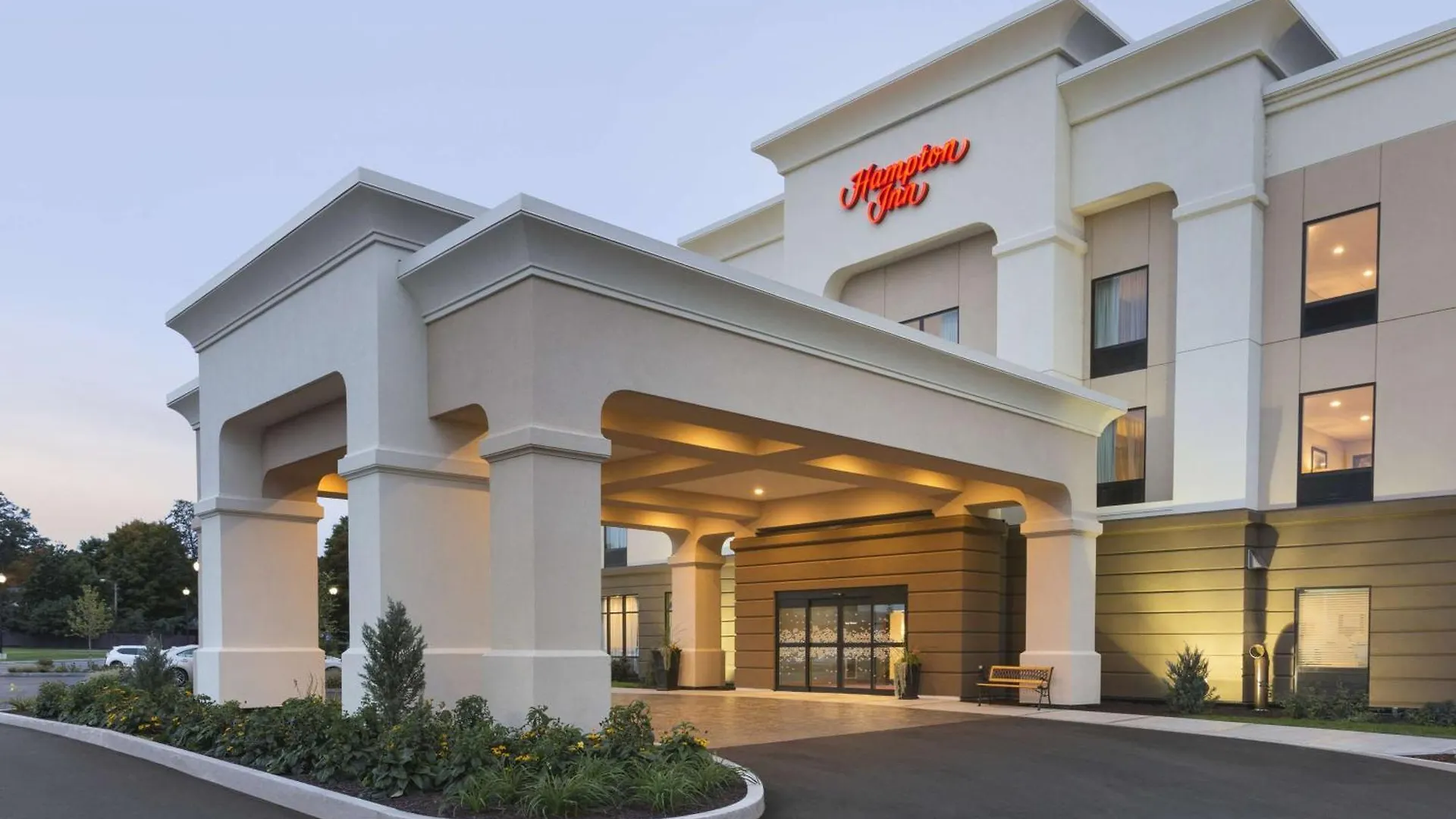
1. Hampton Inn Penn Yan, Ny
Show on map


 Check-infrom 15:00 until 23:59Check-outuntil 11:00
Just a few rooms left at the best rate!
fromUS$ 175
-
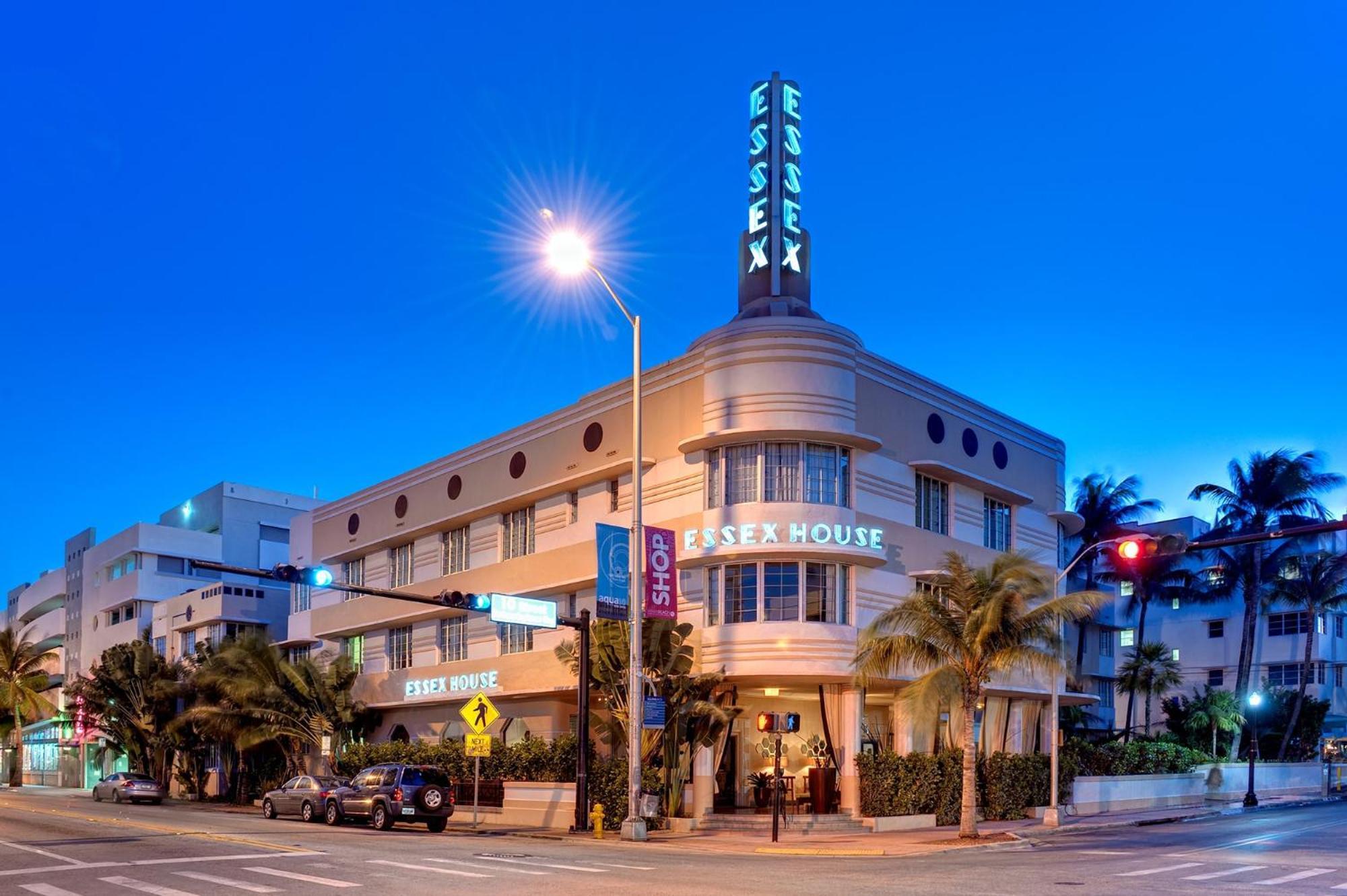
2. La Quinta By Wyndham Batavia
Show on map


 Check-infrom 15:00 until 23:59Check-outuntil 11:00
Just a few rooms left at the best rate!
fromUS$ 76
-
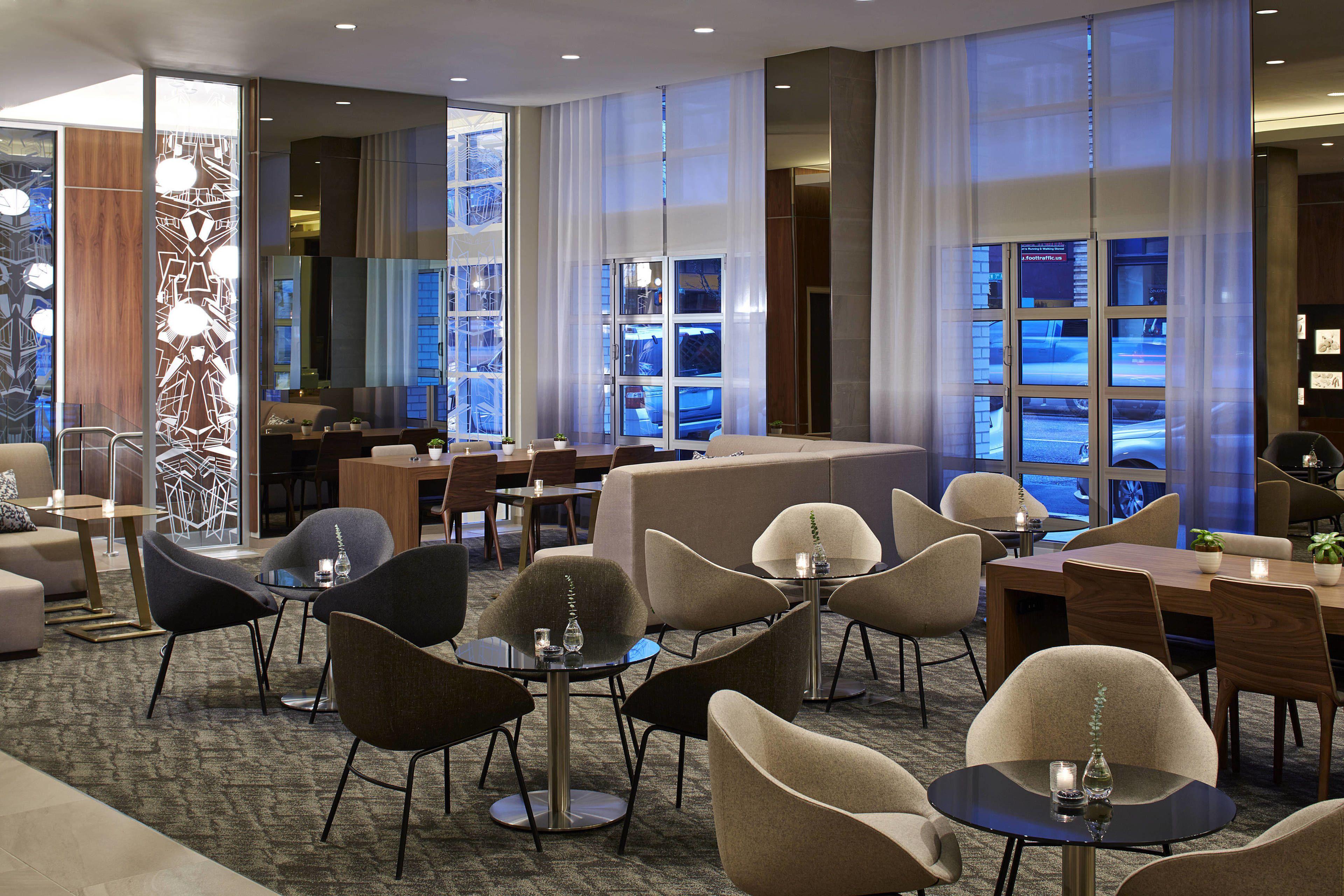
3. Red Carpet Inn Pulaski
Show on map


 Check-infrom 15:00 until 23:59Check-outuntil 11:00
Hurry – almost gone at this price!
fromUS$ 117
Best Premium Stay
For travelers prioritizing cultural proximity and extended-stay comfort in a single Upstate location, this property offers the strongest combination of landmark access and suite-level amenities.
-
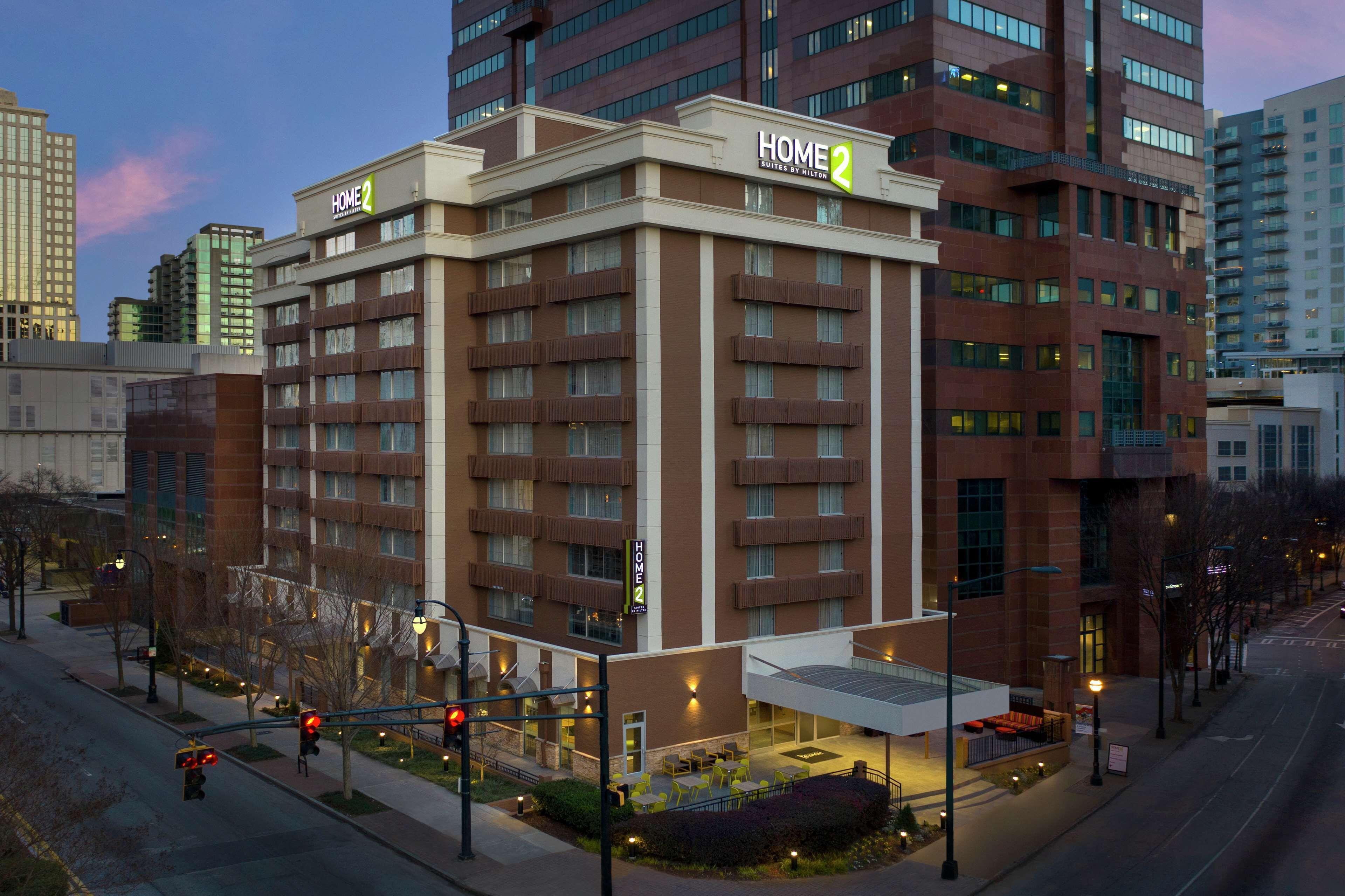
4. Staybridge Suites Corning By Ihg
Show on map


 Check-infrom 15:00 until 23:59Check-outuntil 12:00
Rooms filling fast – secure the best rate!
fromUS$ 93
Smart Travel & Timing Advice for Upstate New York
The Finger Lakes and surrounding Upstate regions have two clear demand peaks: summer (late June through August), when lake activities, winery tours, and outdoor festivals drive occupancy above 90% on weekends, and fall foliage season (late September through mid-October), when leaf-peeping and harvest events fill properties in Penn Yan, Corning, and the surrounding towns well in advance. Rates during peak fall weekends can run around 35% higher than the same property mid-week in the same month - a meaningful reason to adjust travel dates by even two days if flexibility exists.
Winter (November through March) is the quietest period across most of Upstate, with the exception of Pulaski, where salmon fishing draws visitors through late November, and ski-adjacent areas further north. A 3-night stay is the practical minimum for covering the Finger Lakes wine trail meaningfully - the circuit between Seneca, Cayuga, and Keuka lakes alone exceeds 150 km of driving. Last-minute booking works in winter and early spring but carries real availability risk from late May onward; booking 6 to 8 weeks ahead is the standard for summer and fall itineraries across the region.