Hawaii spans six main islands, and choosing where to base yourself is the single most important booking decision you'll make. These seven centrally located hotels sit close to key beaches, parks, and town centers - cutting transfer times and giving you direct access to the activities that define each island.
What It's Like Staying in Hawaii
Hawaii is not one destination - it's a collection of distinct islands, each with its own rhythm, crowd level, and infrastructure. Getting between islands requires a short inter-island flight, so your island choice locks in your entire experience. On Maui, the Kahului-Wailea corridor is the main artery; on the Big Island, distances between volcanic highlands and coastal resorts can exceed 60 km. Kauai moves at a slower pace, with most activity concentrated along the east shore near Kapa'a. Travelers who pick a well-positioned base spend less time in rental cars and more time at beaches, trailheads, and local food spots.
Pros:
- Direct access to world-class snorkeling, hiking, and surf breaks without lengthy commutes
- Central properties on each island typically sit within walking distance of grocery stores, restaurants, and activity booking desks
- Island-based stays let you build a genuine daily routine rather than ticking off sights as a tourist
Cons:
- Inter-island travel adds cost and planning complexity if you want to visit more than one island
- Trade winds and volcanic emissions (vog) from the Big Island can affect air quality in certain zones
- Peak-season traffic on Maui's Honoapiilani Highway and the Big Island's Queen Ka'ahumanu Highway can add significant drive time
Why Choose Centrally Located Hotels in Hawaii
Centrally located hotels in Hawaii place you at the intersection of convenience and local character - a position that matters more here than in most destinations because rental car costs and fuel on the islands run noticeably higher than the US mainland average. Staying near town centers or key beach access points can eliminate one full car rental day on a week-long trip. Properties in central zones also tend to offer more flexible check-in logistics, walkable dining, and faster access to activity operators. The trade-off is room size: centrally positioned properties - especially on Maui's north shore or Kauai's east coast - often prioritize location over square footage compared to resort-corridor properties further out.
Pros:
- Walkable access to beaches, restaurants, and activity desks reduces daily transport costs
- Central bed and breakfasts and boutique inns frequently include breakfast, offsetting Hawaii's high dining-out prices
- Proximity to airports like Kahului (Maui) or Hilo International (Big Island) simplifies arrival and departure logistics
Cons:
- Rooms are typically smaller than isolated resort villas with equivalent nightly rates
- Central locations near town centers can generate more ambient noise, especially during weekends
- Fewer properties in central zones offer full resort amenities like beachside pools or multiple restaurants on-site
Practical Booking & Area Strategy for Hawaii
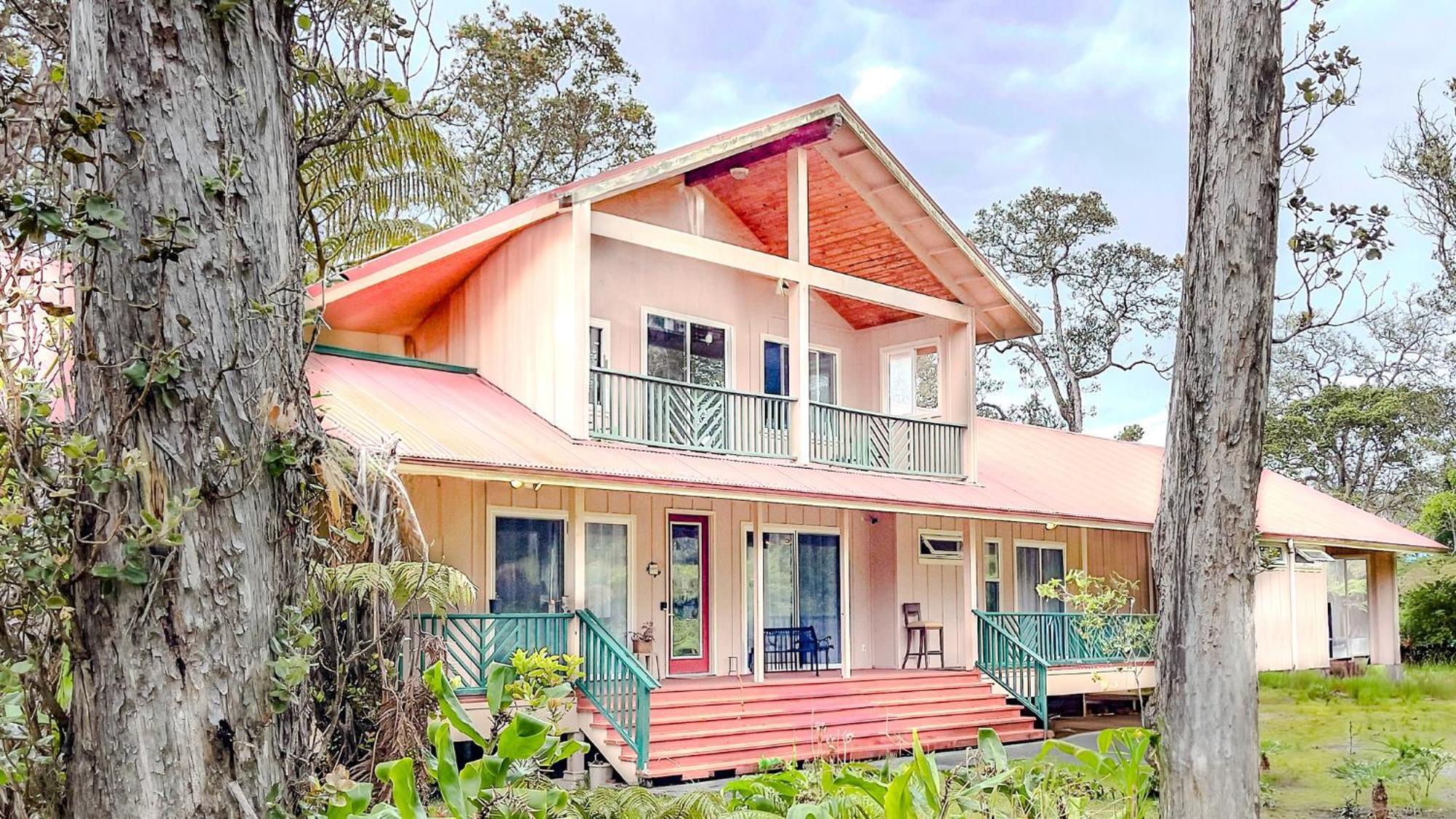
Each island rewards a different booking strategy. On Maui, Wailuku is the administrative and geographic center - just 8 km from Kahului Airport and within 30 km of both Wailea's beaches and the road to Hana, making it the most logistically efficient base on the island. Kapa'a on Kauai's east shore connects you to both the North Shore and the Poipu beach area in the south without committing to either extreme. On the Big Island, Kailua-Kona on the west coast gives you dry weather, beach access, and proximity to snorkeling sites like Kahalu'u Beach Park, while Volcano Village in the highlands puts you within 20 km of Kilauea and Hawaii Volcanoes National Park. Book at least 8 weeks ahead for travel between December and April or during summer school holidays, when centrally positioned properties with free parking - a genuine scarcity on Maui - fill first. Popular activities including whale watching (Maui, January-March), lava viewing (Big Island), and Na Pali Coast boat tours (Kauai) are best arranged through your accommodation or a local operator as soon as your hotel is confirmed.
Best Value Stays
These properties deliver strong location credentials and practical amenities at accessible price points - each sits close to a key landmark, beach, or town center on its respective island.
-
1. Volcano Mist Cottage
Show on map


 Check-infrom 15:00 until 23:00Check-outuntil 11:00
Just a few rooms left at the best rate!
fromUS$ 575
-
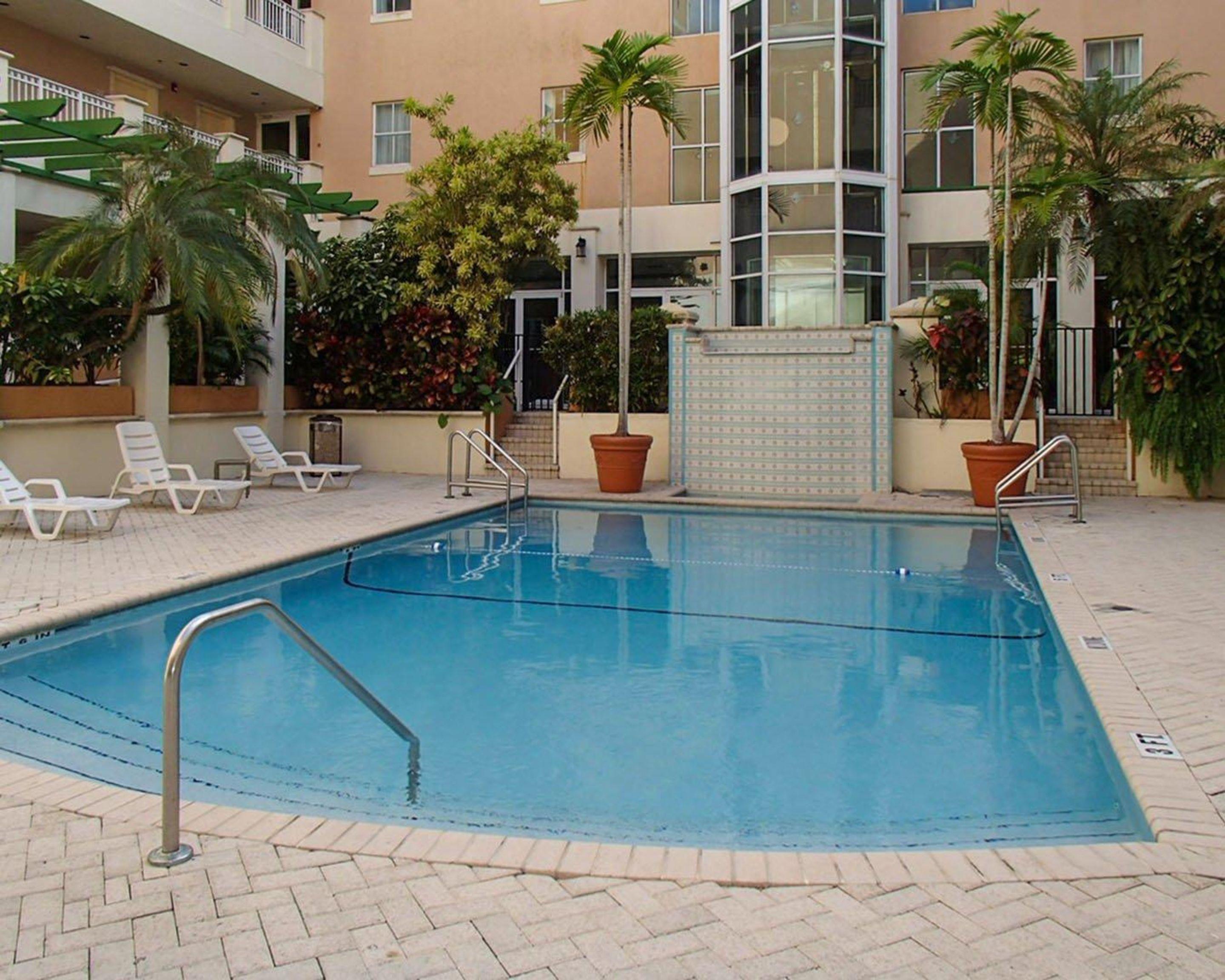
2. Hotel Coral Reef
Show on map


 Check-infrom 15:00 until 23:59Check-outuntil 11:00
Just a few rooms left at the best rate!
fromUS$ 329
-
3. Iao Valley Inn
Show on map


 Check-infrom 15:00 until 23:59Check-outuntil 10:00
Just a few rooms left at the best rate!
fromUS$ 260
-
4. The Historic Wailuku Inn Maui
Show on map


 Check-infrom 15:00 until 22:00Check-outfrom 06:00 until 10:00
Hurry – almost gone at this price!
fromUS$ 256
-
5. Big Island Retreat - No Resort Fees
Show on map


 Check-infrom 15:00 until 23:59Check-outuntil 11:00
Hurry – almost gone at this price!
fromUS$ 110
Best Premium Stays
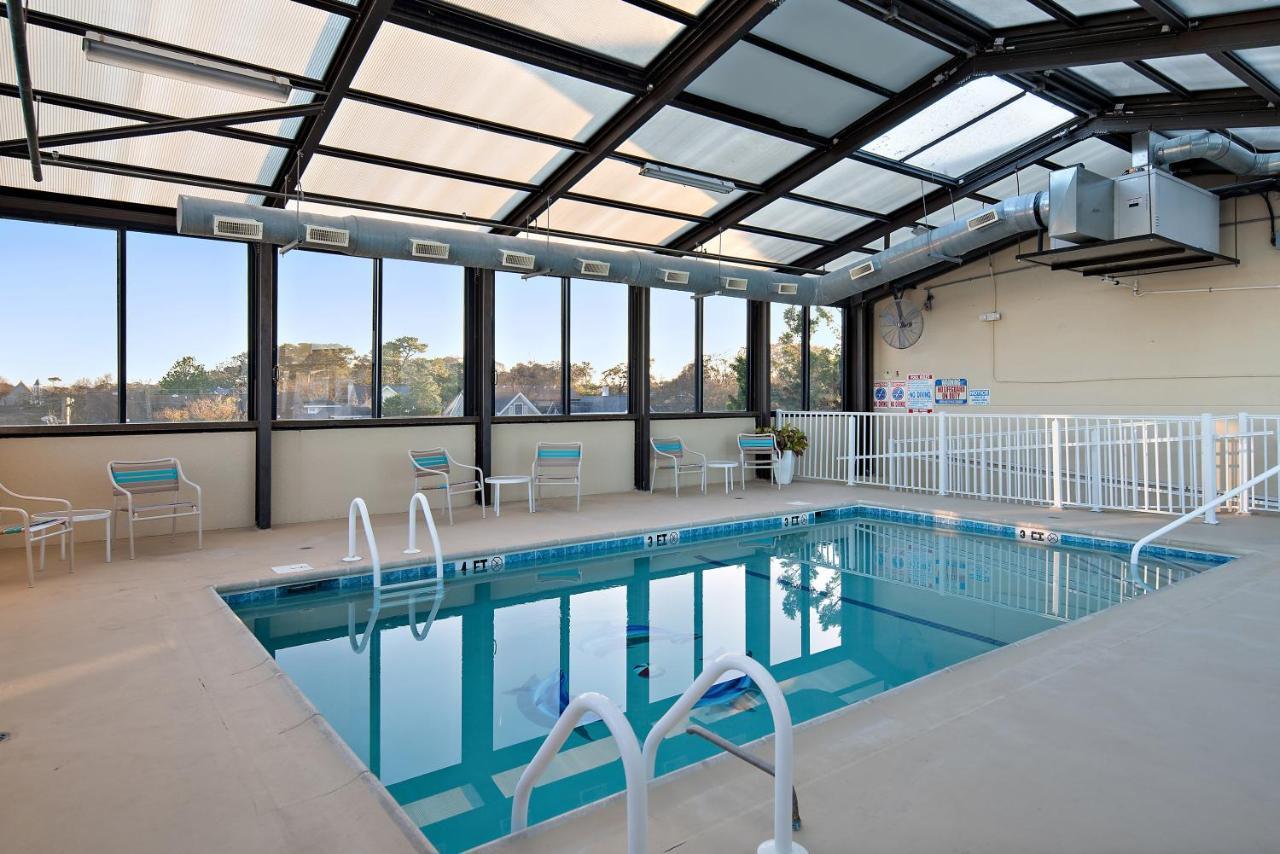
These properties combine strong locations with expanded amenities - full kitchens, resort-grade pools, and structured on-site programming - for travelers prioritizing comfort and convenience in equal measure.
-
6. Residence Inn By Marriott Maui Wailea
Show on map


 Check-infrom 16:00 until 23:59Check-outuntil 12:00
Rooms filling fast – secure the best rate!
fromUS$ 399
-
7. Paniolo Greens Resort
Show on map


 Check-infrom 16:00 until 22:00Check-outfrom 07:00 until 10:00
Rooms filling fast – secure the best rate!
fromUS$ 126
Smart Travel & Timing Advice for Hawaii
Hawaii's peak travel windows are December through April - driven by whale watching season on Maui and mainland winter escapes - and mid-June through August when family travel surges. Prices for centrally located properties on Maui and Kauai spike around 35% during these windows compared to shoulder months like May or October. September and early October offer the best combination of lower rates, reduced crowds, and stable weather across all islands, though the official hurricane season runs through November. For the Big Island's Volcano area, there is no true off-season since Hawaii Volcanoes National Park operates year-round, but weekday stays yield noticeably quieter trails and easier accommodation availability. Book at least 8 weeks in advance for any December or January travel, particularly for properties near Wailea or the Kohala Coast where villa-style inventory is limited. A minimum of four nights per island gives you enough time to balance beach days, day hikes, and driving exploration without feeling rushed - three nights consistently leaves travelers wishing they had stayed longer.