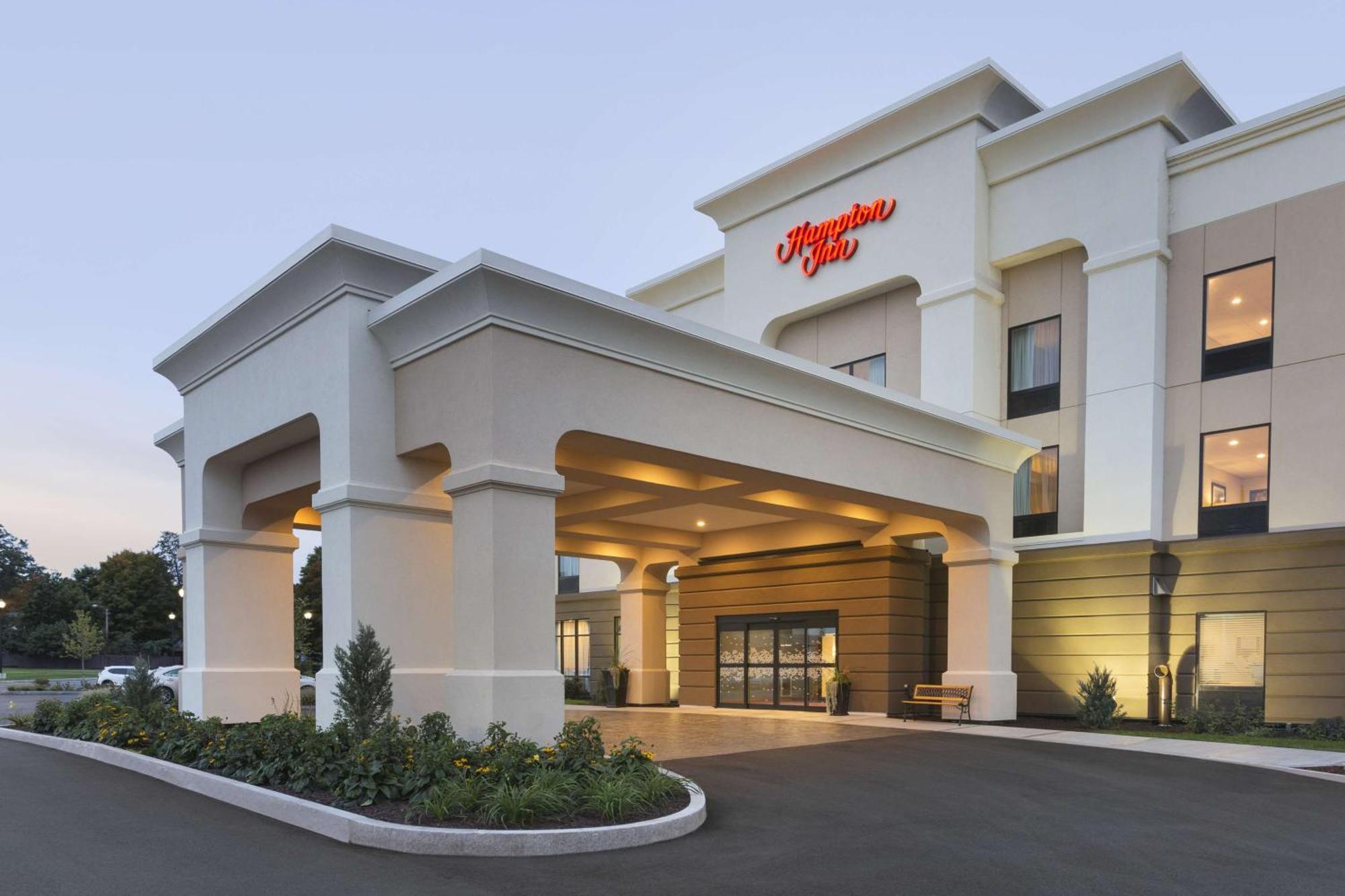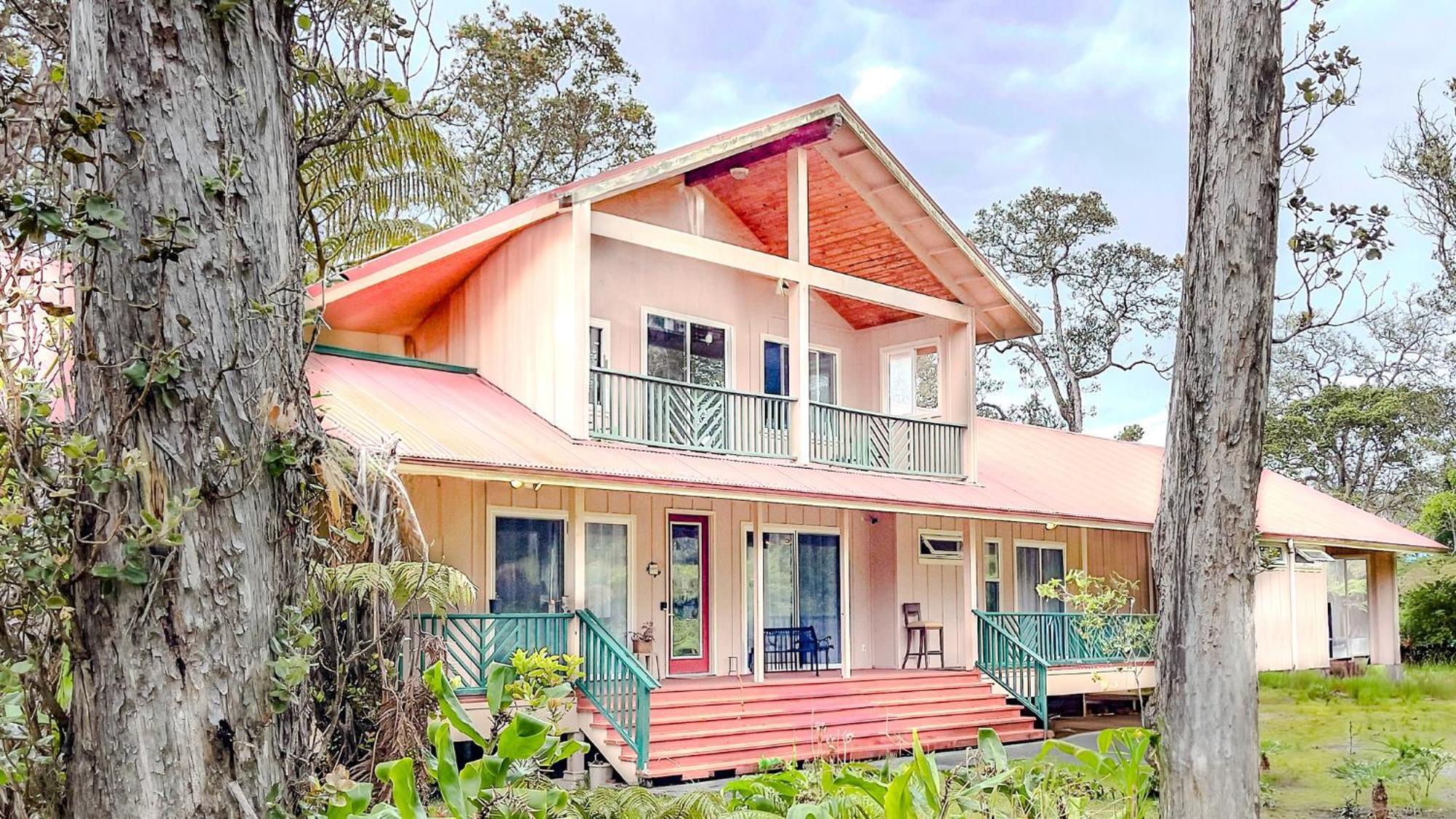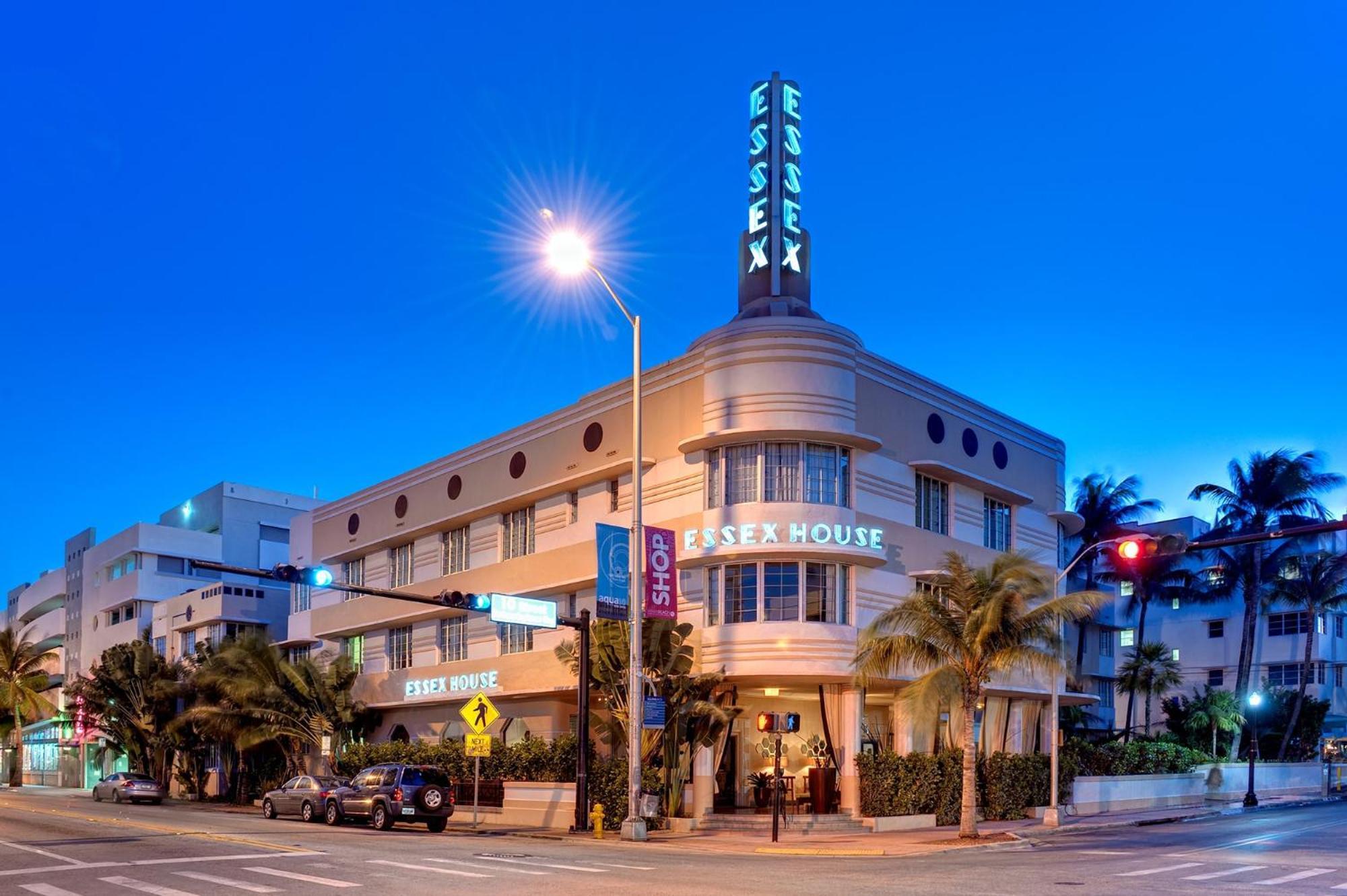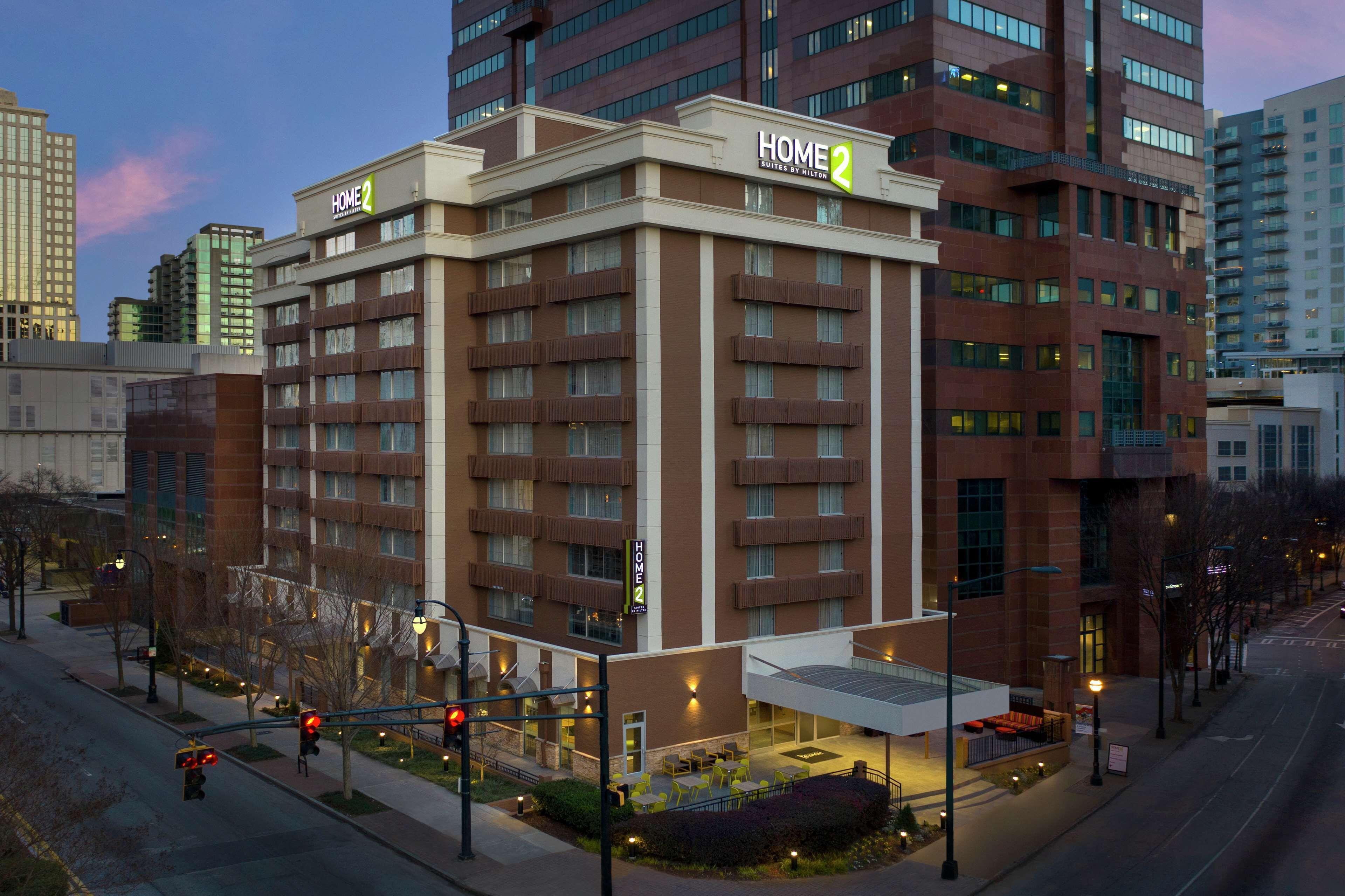
San Francisco's Theater District sits at one of the city's most concentrated intersections of culture, commerce, and nightlife - centered around Geary Street and the blocks immediately west of Union Square. Staying here puts you within walking distance of ACT's Geary Theater, the Curran, the Great American Music Hall, and the cable car lines on Powell Street, all without relying on BART or rideshares for evening returns. The design hotels in this pocket of downtown range from Beat Generation-inspired boutiques to Beaux-Arts landmarks and cinema-themed independents - giving travelers far more visual and atmospheric variety than the chain-heavy corridors of SoMa or the Financial District.
What It's Like Staying in the Theater District
The Theater District in San Francisco is a walkable, dense urban zone where Geary, Post, and Sutter streets carry steady foot traffic from late morning through midnight on show nights. Powell Street cable cars run within a few blocks, and the Powell Street BART station connects you to SFO in around 30 minutes without a transfer. Noise levels spike noticeably on performance evenings, particularly Thursday through Saturday, when post-show crowds fill sidewalks and nearby bars until close to midnight.
The area rewards guests who plan to spend evenings at venues rather than in their rooms - the proximity to the Curran Theater, ACT's Geary Theater, and the Great American Music Hall is the district's core logistical advantage. Those prioritizing absolute quiet or large room square footage will find better value in Nob Hill or the Richmond District.
Pros:
- Walking access to major performance venues - Geary Theater, Curran, and Great American Music Hall all within 10 minutes on foot
- Cable car and BART connections within a short walk, reducing dependence on rideshares after evening shows
- Dense concentration of design and boutique hotels offering distinctly different atmospheres at comparable price points
Cons:
- Street noise on show nights is significant, especially on Geary and Post streets - upper floors or interior-facing rooms make a real difference
- Parking is expensive and limited; private hotel parking can add around $60 per night to your total cost
- Some blocks west of Union Square feel notably quieter after midnight, which can feel isolating for solo travelers unfamiliar with the area
Why Choose a Design Hotel in the Theater District
Design hotels in this district aren't just aesthetically differentiated - they tend to invest in curated in-room technology, original art installations, and themed concepts that reflect San Francisco's cultural identity, from Beat Generation literary references to Victorian Beaux-Arts revival. Most design-focused properties here price between mid-range and upper-mid-range tiers, with nightly rates sitting above standard chain hotels but below the full luxury flagship tier, making them a structurally distinct option. Room sizes in this category are typically compact by US standards - expect well-designed spaces rather than sprawling layouts, with the design execution compensating for square footage constraints.
The trade-off is real: you're paying a premium for atmosphere and positioning rather than raw space. A traveler choosing a design hotel on Geary or Post Street is prioritizing the experience of the building and its cultural context over amenities like large gyms or multiple dining outlets. Around 70% of these properties are independently operated or part of soft-brand collections, which translates to more distinctive service personalities but less standardization than full-service chains.
Pros:
- Rooms feature original art, literary or cinematic themes, and curated furnishings that reflect specific San Francisco cultural movements
- Soft-brand and independent management often means more flexible concierge engagement and neighborhood-specific recommendations
- Competitive nightly rates compared to equivalent-quality rooms in Union Square's large-format hotels
Cons:
- Room square footage is generally smaller than chain hotels at similar price points - not suited for extended stays with significant luggage
- On-site dining options vary widely; some properties have strong bar and restaurant programs while others have none
- Design-led properties in this area vary significantly in soundproofing quality - a critical factor given the district's evening activity levels
Practical Booking and Area Strategy
For the best positioning in the Theater District, Geary Street and Post Street between Mason and Taylor place you within a 5-minute walk of both Union Square retail and the main performance venues - this is the sweet spot for guests attending shows. Properties closer to Larkin Street or the Tenderloin boundary offer lower entry prices but require more awareness of the surrounding blocks after dark, particularly past 10 PM. BART access at Powell Street handles airport transfers efficiently, and the F-Market streetcar on Market Street provides direct access to the Ferry Building and Embarcadero in under 15 minutes.
Book at least 6 weeks ahead for weekends between September and November, when the theatrical season peaks and design hotel inventory in this district compresses quickly. The Theater District hosts concentrated demand during San Francisco's Fleet Week in October, the SF Jazz Festival, and major ACT and Curran productions - these windows see rates spike significantly across all property types. Midweek stays in January and February offer the lowest nightly rates across the district's design hotel category, sometimes dropping well below the annual average. Attractions within walking distance include the Tenderloin National Forest, Maiden Lane, the San Francisco Museum of Modern Art, and Yerba Buena Gardens - all reachable without transit from Theater District hotels.
Best Value Design Stays
These properties deliver strong design character and Theater District positioning at rates that sit below the district's upper tier, without sacrificing the themed or architecturally distinct experience that defines this hotel category.
-
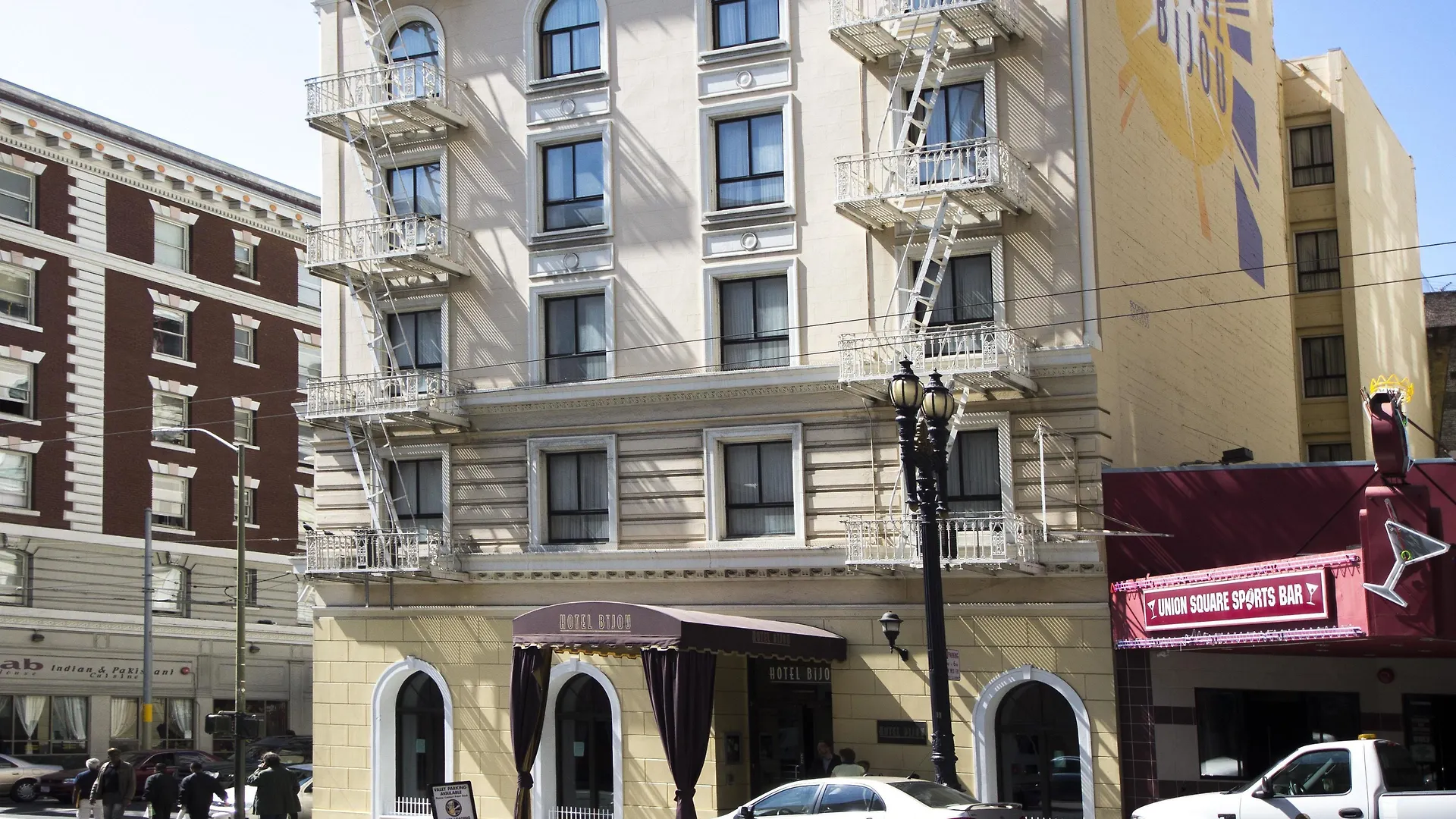
1. Hotel Bijou - Union Square
Show on map


 Check-infrom 15:00 until 23:30Check-outfrom 07:00 until 11:00
Just a few rooms left at the best rate!
fromUS$ 91
-
2. Hotel Abri Union Square
Show on map


 Check-infrom 15:00 until 23:59Check-outuntil 12:00
Just a few rooms left at the best rate!
fromUS$ 122
-
3. Petite Auberge
Show on map


 Check-infrom 15:00 until 23:59Check-outuntil 12:00
Hurry – almost gone at this price!
fromUS$ 154
-
4. Hotel Garrett
Show on map


 Check-infrom 16:00 until 23:59Check-outfrom 10:00 until 11:00
Just a few rooms left at the best rate!
fromUS$ 76
-
5. Phoenix Hotel
Show on map


 Check-infrom 15:00 until 23:59Check-outuntil 12:00
Hurry – almost gone at this price!
fromUS$ 139
-
6. Bei San Francisco, Trademark Collection By Wyndham
Show on map


 Check-infrom 15:00 until 23:59Check-outuntil 12:00
Best price guarantee
fromUS$ 117
-
7. Handlery Union Square Hotel
Show on map


 Check-infrom 15:00 until 23:00Check-outuntil 11:00
Hurry – almost gone at this price!
fromUS$ 90
Best Premium Design Stays
These properties sit at the upper end of the Theater District's design hotel spectrum - offering architecturally significant buildings, literary or cultural concept execution, rooftop venues, panoramic city views, or Autograph and Sonesta collection-level service standards that justify the rate premium.
-
1. Hotel Emblem San Francisco
Show on map


 Check-infrom 15:00 until 23:59Check-outuntil 12:00
Rooms filling fast – secure the best rate!
fromUS$ 129
-
2. Hotel Adagio, Autograph Collection
Show on map


 Check-infrom 16:00 until 23:59Check-outuntil 11:00
Hurry – almost gone at this price!
fromUS$ 139
-
3. Warwick San Francisco
Show on map


 Check-infrom 15:00 until 23:59Check-outuntil 12:00
Rooms filling fast – secure the best rate!
fromUS$ 116
-
4. Kensington Park Hotel
Show on map


 Check-infrom 15:00 until 23:59Check-outfrom 03:00 until 11:00
Just a few rooms left at the best rate!
fromUS$ 122
-
5. Club Donatello
Show on map


 Check-infrom 16:00 until 23:59Check-outuntil 11:00
Best price guarantee
fromUS$ 211
-
13. The Clift Royal Sonesta San Francisco
Show on map


 Check-infrom 16:00 until 23:59Check-outuntil 11:00
Rooms filling fast – secure the best rate!
fromUS$ 148
-
7. San Francisco Marriott Marquis Union Square
Show on map


 Check-infrom 16:00 until 23:59Check-outuntil 11:00
Rooms filling fast – secure the best rate!
fromUS$ 89
-
8. Hilton Parc 55 San Francisco Union Square
Show on map


 Check-infrom 15:00 until 23:59Check-outuntil 11:00
Best price guarantee
fromUS$ 129
Smart Timing and Booking Strategy for the Theater District
San Francisco's Theater District operates on a clear seasonal rhythm. September through November is the sharpest demand window - the theatrical season launches, the SF Jazz Festival runs, Fleet Week brings additional visitor volume in October, and design hotel inventory across Geary and Post streets compresses quickly. Booking 8 weeks ahead for this window is the minimum for securing specific room types at properties like Hotel Adagio, Warwick, or Club Donatello. December through early January sees a secondary spike around the holiday performance season at the Curran and ACT, though it's shorter and easier to navigate with a 4-week lead time.
January through March is the district's low-demand window - midweek stays during these months can yield rates well below annual averages, and the area's design hotels are significantly less crowded, making it the strongest window for experiencing properties like Petite Auberge or Kensington Park at their most relaxed. A 3-night stay is the practical minimum for experiencing the Theater District meaningfully - one evening for a performance, one for exploring the surrounding dining and bar scene, and one for daytime SFMOMA, Yerba Buena, or Chinatown visits. Last-minute availability occasionally opens mid-week even in peak months due to group booking cancellations, but relying on this strategy for specific design properties is not advisable given the limited room counts typical of boutique and independent hotels in this district.