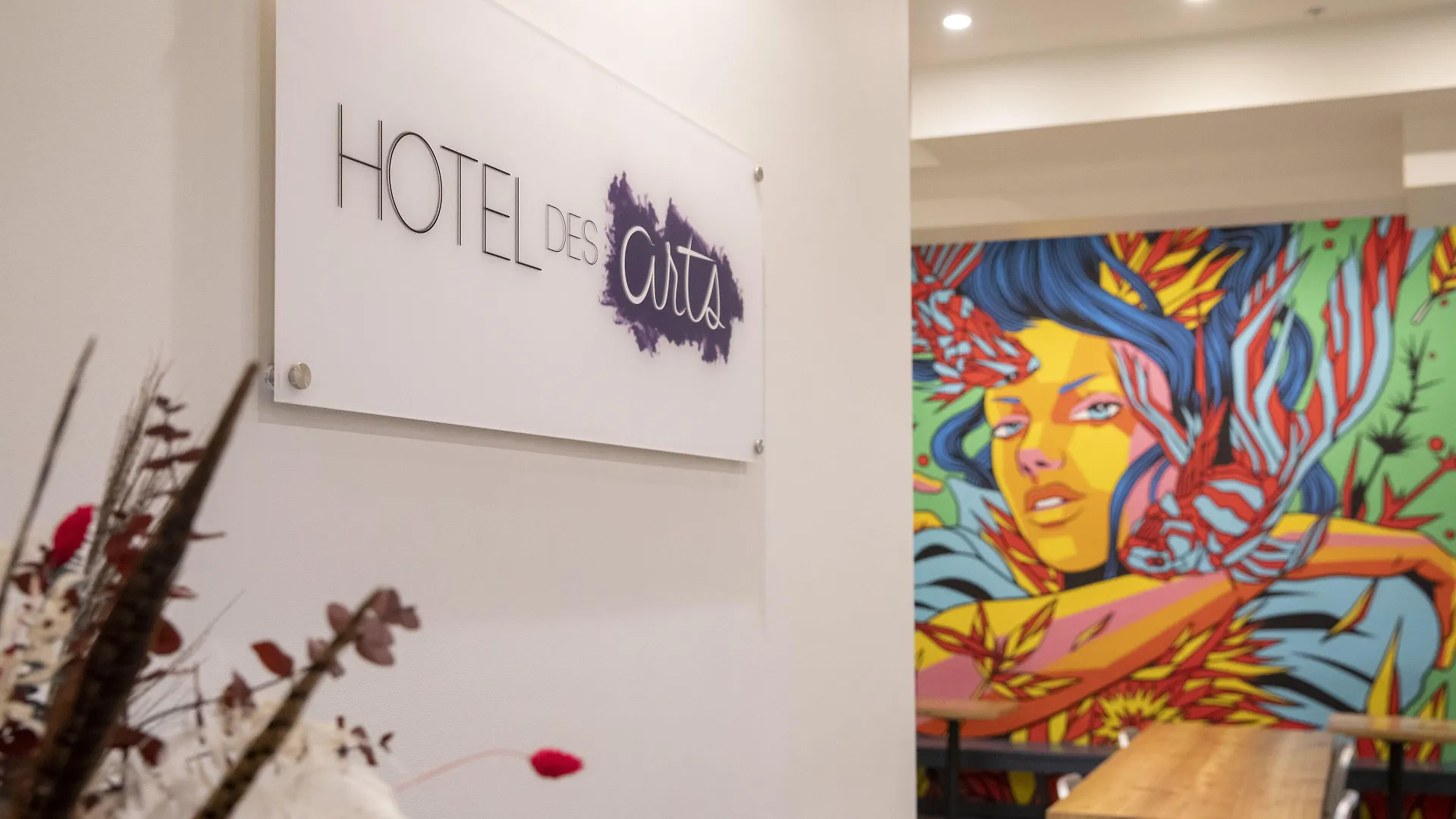
Lower East Side sits at a crossroads between Manhattan's historic immigrant past and its present-day creative energy, making it one of the most visually and culturally layered neighborhoods to base yourself in New York City. The hotels here - particularly those with strong design identities - reflect that tension between old tenement architecture and contemporary artistic expression. This guide compares 5 design-forward hotels accessible to or positioned within the Lower East Side corridor, breaking down what each property actually delivers for travelers who prioritize aesthetics, location logic, and booking value.
What It's Like Staying In Lower East Side
Staying in Lower East Side means waking up in a neighborhood where the street grid is tight, the blocks are walkable, and the energy shifts noticeably between morning and midnight. The F, J, M, and Z subway lines run through Delancey and Essex Street stations, connecting you to Midtown in under 20 minutes. Unlike Midtown hotels where tourist foot traffic is constant, the Lower East Side moves on its own rhythm - gallery openings, late-night dining on Orchard Street, weekend market crowds at Essex Market - which rewards travelers who want proximity to authentic New York without paying Midtown rates.
The neighborhood is dense but navigable on foot, with most blocks between Houston Street and Canal Street requiring around 10 minutes to cross end-to-end. Night-time atmosphere is lively but not overwhelming, concentrated around Rivington and Ludlow Streets on weekends.
Pros:
- Direct subway access to Brooklyn, Midtown, and Lower Manhattan without transfers
- Significantly lower nightly hotel rates compared to SoHo or the East Village for equivalent room quality
- Dense concentration of independent restaurants, bars, and galleries within a 5-minute walk of most hotels
Cons:
- Weekend nightlife noise on Ludlow and Rivington Streets can affect light sleepers in street-facing rooms
- Fewer luxury amenity options (spas, rooftop pools) compared to Midtown or Hudson Yards hotels
- Some blocks between Delancey and Canal feel transitional, with uneven street-level retail quality
Why Choose Design Hotels In Lower East Side
Design hotels in the Lower East Side don't operate on the same formula as Midtown flagships - here, the aesthetic commitment tends to be tied to the neighborhood's own creative identity, with artist collaborations, repurposed industrial interiors, and locally sourced artwork appearing in properties that would feel generic elsewhere. Room sizes in LES design hotels typically run smaller than comparable uptown options, but the trade-off is visual intentionality: spaces are curated rather than standardized, and common areas often double as gallery space or event venues. Nightly rates at design-forward properties in this corridor can run around 20% lower than equivalent design hotels in SoHo or Tribeca, making the value proposition tangible for travelers who care about where their money goes aesthetically.
The category also benefits from the neighborhood's foot traffic pattern - unlike tourist-saturated areas, design hotels here attract a mix of creative professionals, weekend visitors, and arts-adjacent travelers, which keeps the guest environment more curated.
Pros:
- Artist-commissioned interiors and locally produced artwork create a genuinely differentiated stay experience
- Proximity to galleries, independent fashion boutiques, and chef-driven restaurants on Orchard and Ludlow Streets
- More competitive nightly pricing than comparable design properties in SoHo or the West Village
Cons:
- Smaller room footprints mean less space for luggage and workspace - a real constraint for longer stays
- Design-focused properties in LES often skip amenities like on-site gyms or full-service restaurants
- Street-level noise on weekend nights can undercut the curated interior experience
Practical Booking & Area Strategy
The strongest micro-location within Lower East Side for hotel stays is the corridor between Orchard Street and Essex Street, north of Delancey - this places you within a 3-minute walk of the Essex Market, the Tenement Museum on Orchard Street, and the Delancey subway hub without being directly on the loudest nightlife blocks. Ludlow Street between Stanton and Rivington is the heart of the bar and restaurant scene, so hotels on or immediately adjacent to it offer atmosphere but also noise on Friday and Saturday nights. For transit, the Delancey/Essex Street station serves the F, J, M, and Z lines - from here, you can reach the West 4th Street hub in around 8 minutes or Fulton Street for Lower Manhattan financial access in under 10 minutes.
Key attractions within walking distance include the Tenement Museum, the New Museum on Bowery, Dimes Square's emerging gallery cluster, and the Williamsburg Bridge pedestrian path into Brooklyn. Book at least 6 weeks ahead for stays during New York Fashion Week (February and September) and Art Basel satellite events in May, when LES gallery programming drives accommodation demand sharply upward. Last-minute availability in this neighborhood drops faster than in Midtown because the hotel inventory is smaller overall.
Best Value Design Stays
These properties deliver strong design credentials and strategic Manhattan positioning at nightly rates that undercut the neighborhood's premium tier - suited for travelers prioritizing location and aesthetic over full-service amenities.
-
1. Hotel Des Arts
Show on map


Just a few rooms left at the best rate!
fromUS$ 62
-
2. Grant Hotel
Show on map


Just a few rooms left at the best rate!
fromUS$ 116
-
3. Super 8 by Wyndham San Francisco/Union Square Area
Show on map


Hurry – almost gone at this price!
fromUS$ 88
Best Premium Design Stays
These two properties offer stronger design positioning, more refined in-room details, or notable location advantages that justify a higher nightly investment for travelers who treat accommodation as part of the experience itself.
-
4. Hotel Ikon
Show on map


Hurry – almost gone at this price!
fromUS$ 92
-
5. Herbert Hotel
Show on map


Rooms filling fast – secure the best rate!
fromUS$ 60
Smart Travel & Timing Advice
The Lower East Side - and the broader New York City design hotel market - peaks in pricing during September, driven by Fashion Week bookings and the return of the cultural season after summer. February is the second pressure point, again tied to Fashion Week, when demand from industry professionals compresses availability in smaller design-forward properties faster than in large Midtown chains. If your travel dates are flexible, late January and mid-November represent the clearest windows for competitive nightly rates, with fewer event-driven crowds and better availability at the properties covered here.
For stay duration, around 3 nights gives you enough time to cover the Lower East Side's key cultural circuit - the Tenement Museum, the New Museum, the Essex Market, and the Orchard Street boutique strip - without feeling rushed, while also allowing day trips to Brooklyn via the Williamsburg Bridge or to Midtown via the F train. Book at least 5 weeks ahead for weekend stays year-round in this neighborhood, as the limited hotel inventory means last-minute options disappear or spike in price faster than in higher-density hotel zones. Early-week arrivals (Sunday through Tuesday) consistently yield lower rates and quieter street conditions than Thursday-through-Saturday bookings.