Amsterdam's hotel market is dense and price-sensitive - the difference between a well-positioned property near the Grachtengordel and one just slightly off-centre can mean 20 minutes less walking per day and noticeably different nightly rates. This guide covers 8 hotels across the historic centre, from budget-conscious options near Dam Square to design-forward canal-side stays, giving you the information you need to book with confidence rather than guesswork.
What It's Like Staying in Amsterdam City Centre
Staying in Amsterdam's historic centre means most major attractions - the Anne Frank House, Rembrandtplein, Dam Square - are within a 15-minute walk from almost any hotel in this guide. Trams run frequently along Rokin and Leidsestraat, and Amsterdam Central Station connects you to Schiphol in around 15 minutes by direct train. Street-level noise is a real factor: the city centre never fully quiets down, and properties on high-traffic streets like Kalverstraat or near Rembrandtplein will have ambient noise well past midnight.
Pros:
Walking access to the canal ring, Dam Square and major museums without needing public transport
Tram and metro connections from the centre reach most outer neighbourhoods in under 20 minutes
High concentration of restaurants, markets and cultural venues within immediate reach
Cons:
Night-time noise on central streets is persistent - light sleepers should request inner courtyard rooms
Hotel rates in the canal belt run higher than equivalent properties in the Jordaan fringe or De Pijp
Cycling and pedestrian congestion on the main tourist corridors can make short walks slower than expected
Why Choose a Boutique or Design Hotel in Amsterdam
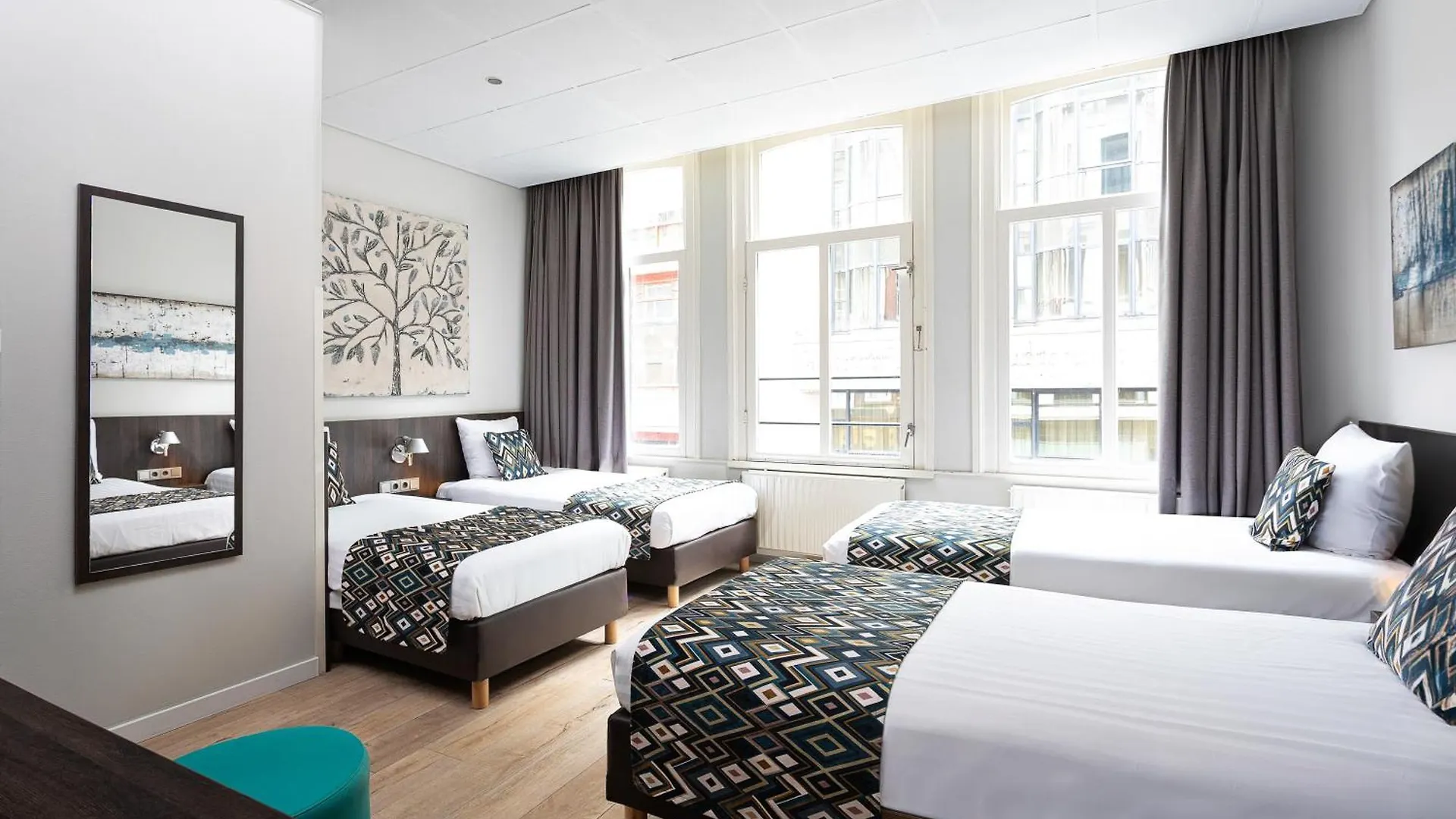
Amsterdam's boutique and design hotels typically occupy converted canal houses, monumental facades or 17th-century merchant buildings - the architecture itself is part of what you're paying for. Room sizes in these properties average around 18-22 m2, smaller than international chain equivalents, but layouts are usually smarter and décor more intentional. Compared to larger 4-star chains in the city, boutique properties in the canal district tend to offer stronger character at similar or slightly lower price points, though fewer on-site amenities like fitness centres or conference rooms.
Main advantages of boutique hotels in Amsterdam's centre:
Historic canal house settings that chain hotels in the city simply cannot replicate
More personalised front desk service with local knowledge built into the guest experience
Closer integration with the neighbourhood - often steps from independent shops, brown cafés and local markets
Main trade-offs in this zone:
Elevators are often narrow or absent in original canal house structures
Breakfast may not be included and costs extra when available on-site
Rooms facing the canal or main street will have charm but also more external noise
Practical Booking & Area Strategy for Amsterdam Centre
For the best positioning, hotels on or directly adjacent to Herengracht, Keizersgracht and Prinsengracht place you within the Grachtengordel - the UNESCO-listed canal ring - which means walkable access to the Anne Frank House, Flower Market and Jordaan neighbourhood without relying on trams. Rokin metro stop is one of the most useful transit nodes in the centre, offering direct connections south to RAI and north to Amsterdam Central. Properties within 300 metres of this stop have strong transport flexibility even if walking distances to some sights feel long.
Book at least 6 weeks ahead for stays during Tulip Season (mid-April) and King's Day (late April) - demand in this period pushes occupancy to near capacity across the centre. The quietest and often most affordable window is November through early February, when tourist volumes drop noticeably and last-minute availability improves. Dam Square at night stays busy year-round; hotels within 200 metres should be chosen carefully if noise sensitivity is a concern. Must-see while in the area: the Rijksmuseum, Van Gogh Museum, Stedelijk Museum (all reachable via tram 2 from the centre) and the Jordaan's independent gallery circuit.
Best Value Stays
These hotels offer solid central positioning and well-equipped rooms without the premium pricing of the canal-front properties - practical choices if you're prioritising location accessibility over architectural character.
-
1. Hotel Damsquare
Show on map


Just a few rooms left at the best rate!
fromUS$ 60
-
2. Quentin Zoo Hotel
Show on map


Just a few rooms left at the best rate!
fromUS$ 98
-
3. Nyx Hotel Amsterdam Rembrandt Square
Show on map


Just a few rooms left at the best rate!
fromUS$ 197
-
4. Room Mate Aitana, Amsterdam
Show on map


Hurry – almost gone at this price!
fromUS$ 111
Best Premium Stays
These properties occupy historic canal houses or prime city-centre positions with stronger design credentials, more attentive service and notable proximity to Amsterdam's most visited landmarks.
-
5. Canal House
Show on map


Hurry – almost gone at this price!
fromUS$ 258
-
2. Max Brown Hotel Canal District, Part Of Sircle Collection
Show on map


Hurry – almost gone at this price!
fromUS$ 214
-
7. Nh Collection Amsterdam Flower Market
Show on map


Rooms filling fast – secure the best rate!
fromUS$ 104
-
4. Hotel V Nesplein
Show on map


Rooms filling fast – secure the best rate!
fromUS$ 286
Smart Travel & Timing Advice for Amsterdam
Amsterdam's peak tourist season runs from April through August, with King's Day (27 April) and the Tulip Season in mid-April generating the sharpest demand spikes across the city centre. During these windows, hotel occupancy across the canal district reaches near capacity and nightly rates climb noticeably. Book at least 6 weeks ahead for any April stay, and consider locking in accommodation earlier for King's Day specifically, as inventory across the centre disappears quickly.
The shoulder period of September and October offers a strong balance: crowds thin, temperatures remain manageable and prices begin to ease without fully dropping to winter lows. November through February is the quietest window - rates can drop by around 30% compared to peak summer - but some canal-side restaurants and smaller venues reduce hours or close entirely. Most major museums (Rijksmuseum, Van Gogh, Anne Frank House) maintain full schedules year-round. For a central Amsterdam stay, 3 nights is the practical minimum to cover the main cultural circuit without rushing; 4 to 5 nights allows for day trips to Haarlem, Delft or Keukenhof during spring.