Chicago is one of the most visited cities in the Midwest, and finding a genuinely affordable hotel without landing somewhere inconvenient takes more than a quick price filter. This guide compares 4 budget hotels across different Chicago neighborhoods - from the South Loop to Chinatown to the North Shore corridor - so you can make a faster, smarter booking decision based on location, access, and real trade-offs.
What It's Like Staying in Chicago on a Budget
Chicago is a city where your neighborhood choice matters more than your hotel star rating. Budget stays are spread across very different micro-locations - some within walking distance of the L-train, others requiring a car or rideshare to reach anything central. The CTA 'L' train covers most of the city for a flat fare, making proximity to a station one of the most important filters when choosing a cheap hotel. Foot traffic and noise levels vary dramatically: South Loop properties sit near interstate on-ramps, while North Shore options feel more suburban and quieter after dark.
Pros:
The CTA network connects budget-friendly outer neighborhoods to downtown in under 30 minutes
Free parking is commonly included in Chicago's budget motels, unlike downtown hotels that charge around $60/night
Cheap hotels in Chicago often sit near major highway access points, useful for road-trippers driving into the city
Cons:
Budget properties near I-90 and the South Side can feel isolated without a car
Outer-neighborhood stays add commute time to core attractions like Navy Pier and the Magnificent Mile
Room sizes in budget Chicago hotels are typically compact, with limited soundproofing near arterial roads
Why Choose Budget Hotels in Chicago
Chicago's hotel market is tiered sharply: downtown Loop hotels regularly exceed $200/night, while budget motels along the city's outer corridors - I-90, Lincoln Avenue, or Chinatown - bring nightly rates down to a fraction of that. Choosing a budget hotel in Chicago can save travelers around 60% compared to a standard downtown property, especially outside peak convention weekends. The trade-off is mainly logistical: you'll likely need the L or a rideshare to reach cultural landmarks, but you gain free parking, quieter surroundings, and often more reliable availability during high-demand periods like Lollapalooza or the Chicago Marathon.
Pros:
Significant nightly savings versus Loop or River North hotel rates
Free parking included at most budget motels - a major practical advantage in Chicago
Easier last-minute availability compared to sold-out downtown properties during major events
Cons:
Limited on-site dining or amenity offerings compared to mid-range Chicago hotels
Some budget properties sit in less walkable areas, requiring transport for every outing
Breakfast is rarely included; expect to find options nearby rather than on-property
Practical Booking & Area Strategy for Budget Stays in Chicago
Chicago's budget hotel landscape clusters in three main corridors: the South Side near I-90/94, the North Shore along Lincoln Avenue toward Skokie and Lincolnwood, and Chinatown - each offering a different access logic. Chinatown is the most strategically placed for budget travelers, sitting just 6 blocks from McCormick Place and a 5-minute walk from the Cermak-Chinatown Red Line station, giving direct access to the Museum Campus (Field Museum, Shedd Aquarium, Adler Planetarium) without a car. The North Shore corridor along N Lincoln Ave suits travelers targeting Wrigley Field or Northeastern Illinois University, with O'Hare reachable in around 30 minutes by car. South Side budget motels near I-90 work best for road-trippers who need highway access and free parking rather than walkability. For Chicago's biggest draws - Millennium Park, the Art Institute, Navy Pier, and the 606 trail - staying in or near the South Loop gives the best balance of price and access without the Loop premium.
Best Value Budget Stays
These properties offer the strongest combination of location access, included amenities like free WiFi and parking, and practical features for budget-conscious travelers moving around Chicago.
-
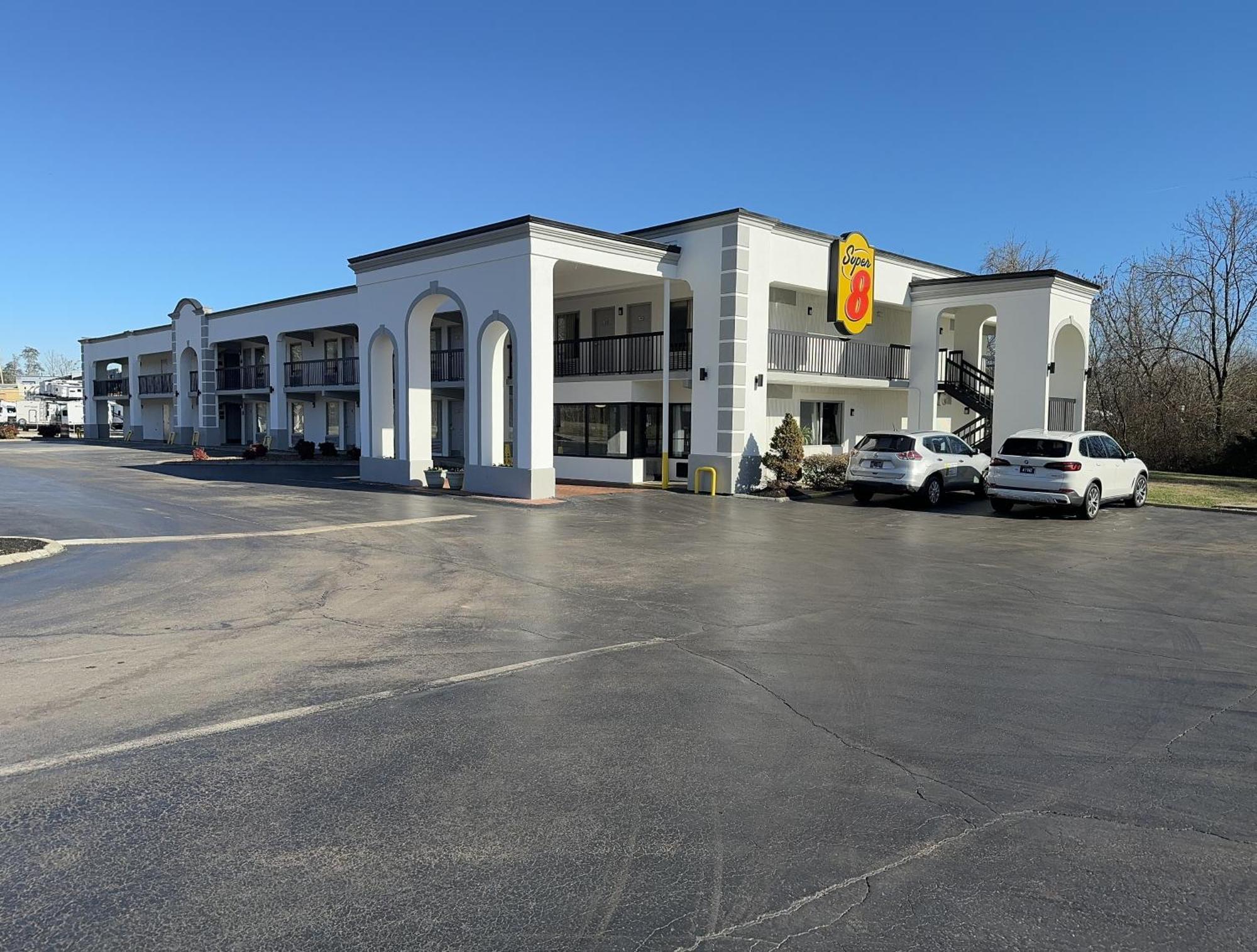
1. Travelodge By Wyndham Downtown Chicago
Show on map


 Check-infrom 15:00 until 23:59Check-outfrom 03:00 until 11:00
Just a few rooms left at the best rate!
fromUS$ 76
-
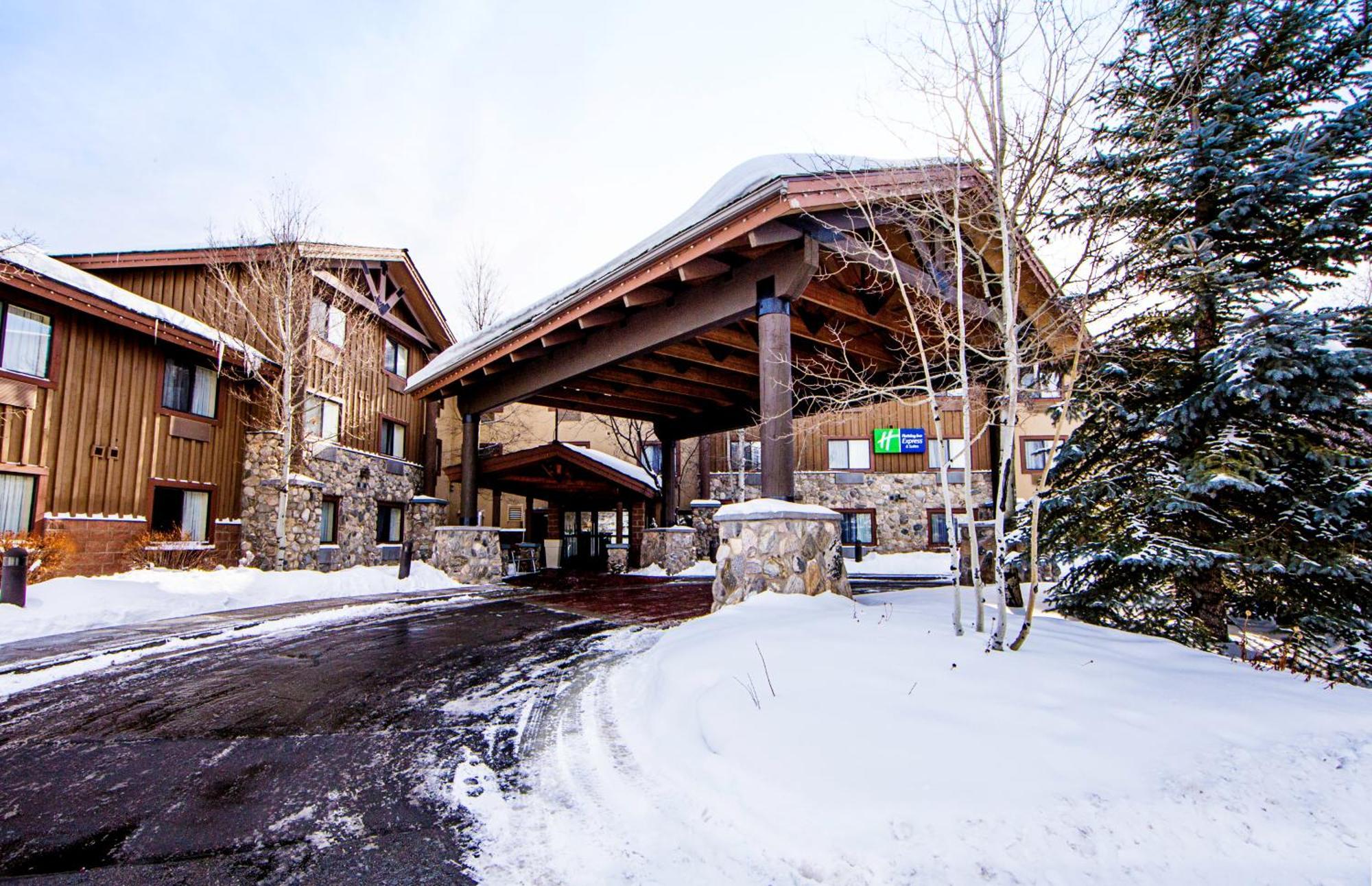
2. Chinatown Hotel Chicago
Show on map


 Check-infrom 15:00 until 23:59Check-outfrom 04:00 until 11:00
Just a few rooms left at the best rate!
fromUS$ 59
-
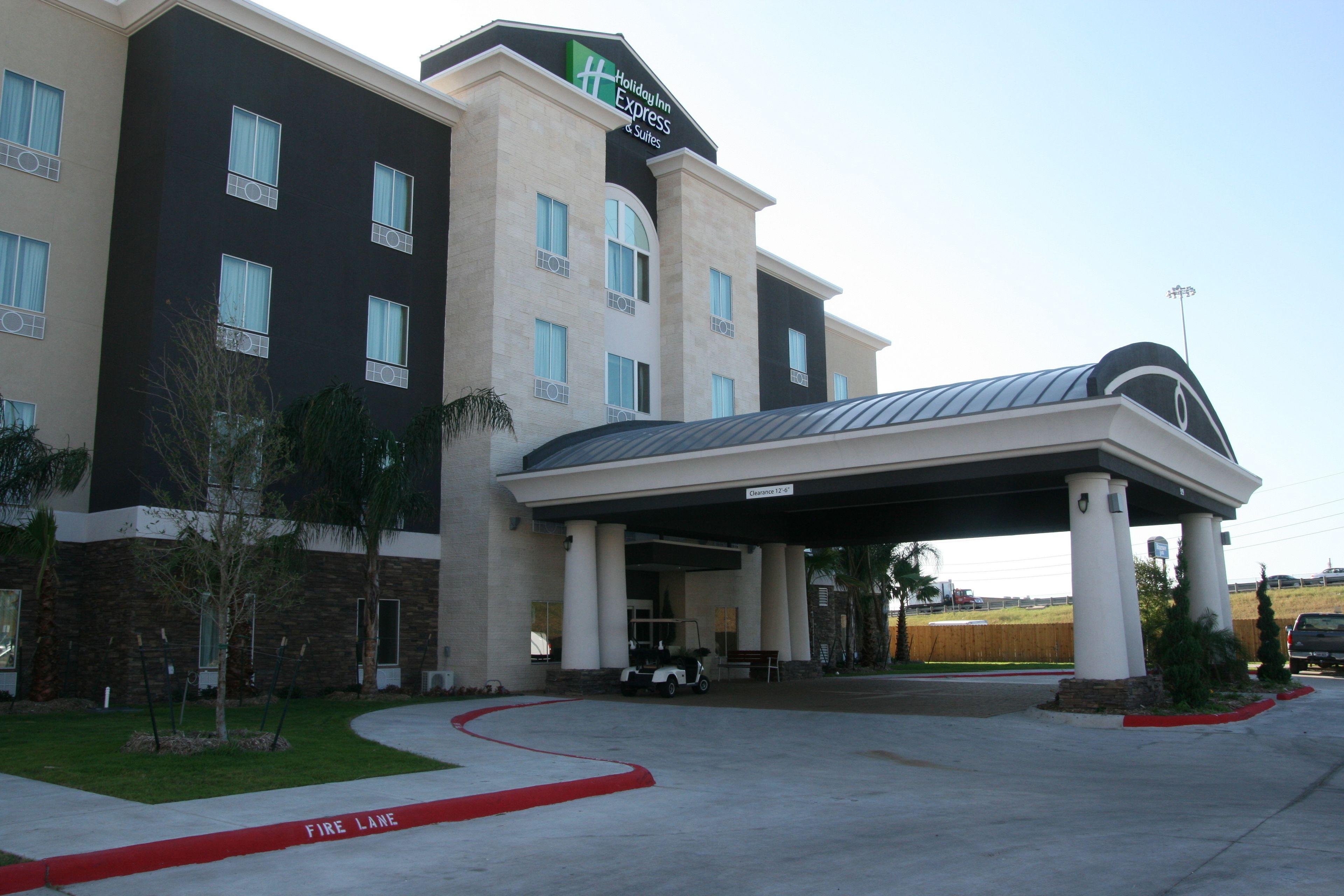
3. Rodeway Inn Chicago North Shore - Lincolnwood
Show on map


 Check-infrom 15:00 until 23:59Check-outuntil 11:00
Hurry – almost gone at this price!
fromUS$ 71
-
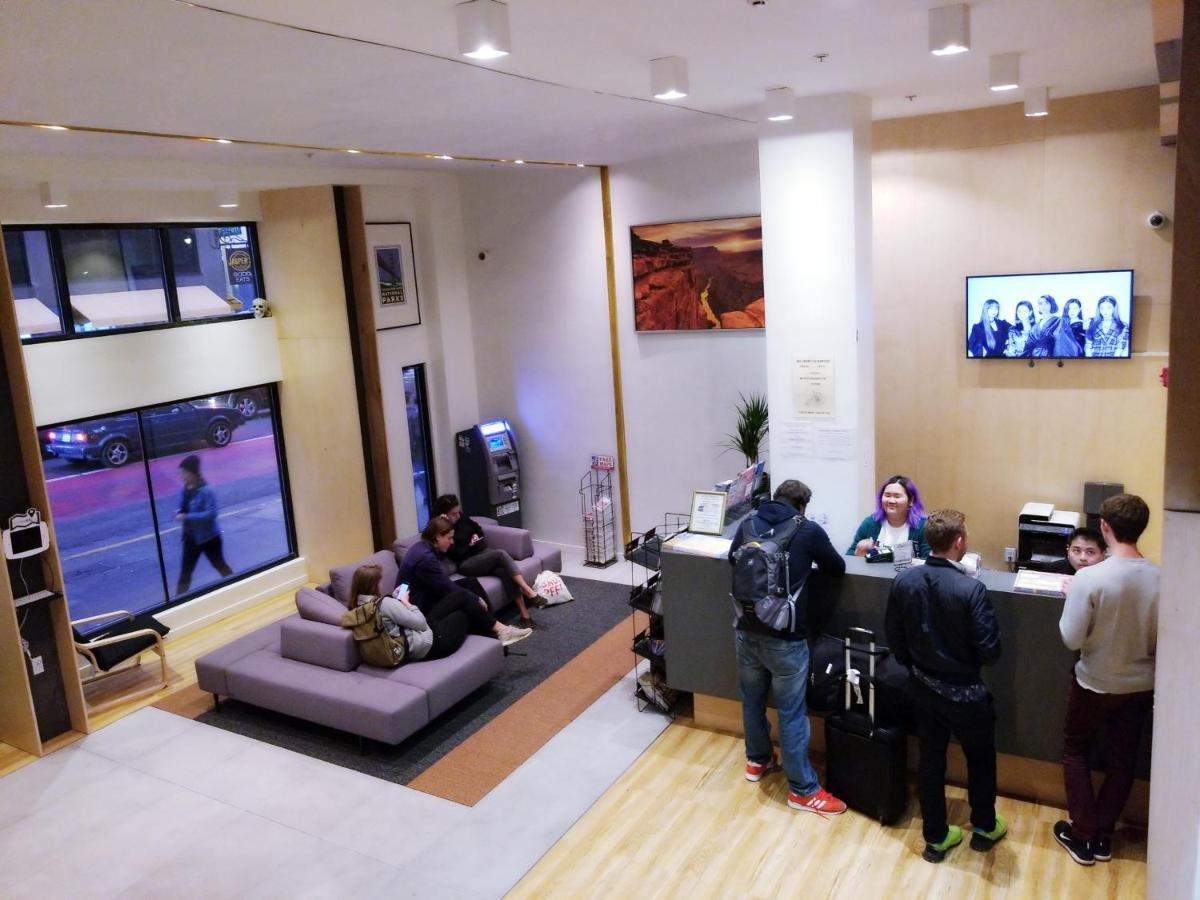
4. Best Motel By Oyo Chicago I-90
Show on map


 Check-infrom 15:00 until 23:59Check-outuntil 11:00
Rooms filling fast – secure the best rate!
fromUS$ 58
Smart Travel & Timing Advice for Budget Hotels in Chicago
Chicago's hotel pricing follows a clear seasonal pattern: summer months from June through August drive the highest demand, with major events like Lollapalooza in Grant Park pushing downtown rates up sharply for those festival weekends. Booking at least 6 weeks in advance during summer is recommended for budget properties near the South Loop or Chinatown, as the cheapest rooms sell out well before peak nights. Spring (April-May) and fall (September-October) offer the best balance of tolerable weather and lower rates - the Chicago Marathon in October being the one major fall exception that spikes North Side and Loop prices. Winter stays (December-February) are significantly cheaper across all budget properties, and the city's indoor attractions - the Art Institute, Field Museum, Shedd Aquarium - remain fully operational. A stay of 3 nights is the practical minimum to cover Chicago's main neighborhoods without feeling rushed, especially if relying on the CTA rather than a car. Last-minute bookings can occasionally yield lower rates at outer-neighborhood motels like the OYO I-90 or Rodeway Inn Lincolnwood, but this strategy is risky during convention periods at McCormick Place, which fill the entire South Side calendar year-round.