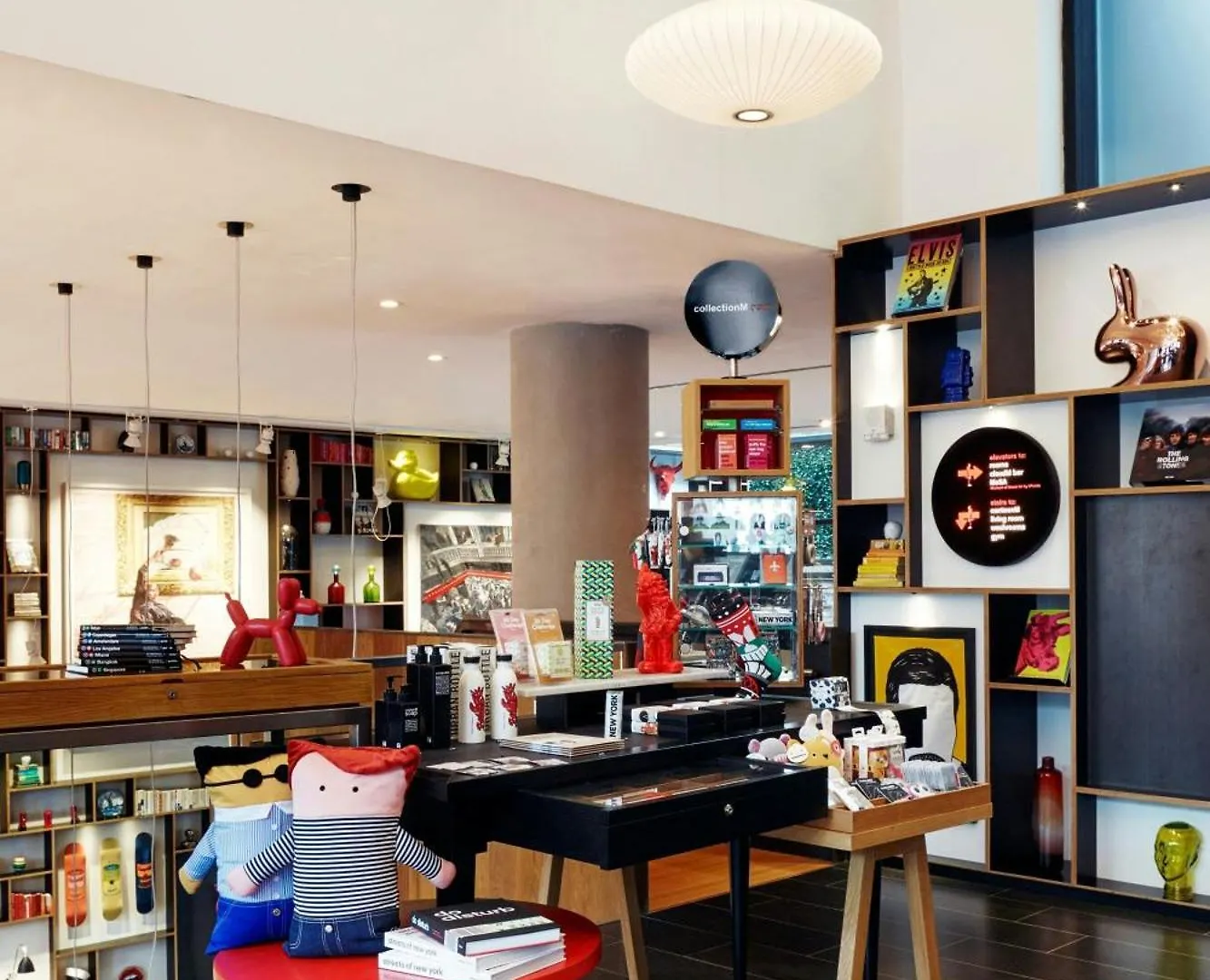
Manhattan concentrates more hotel options per square mile than almost any other urban destination in the world, but choosing a central location here is less about prestige and more about logistics. The neighborhoods covered in this guide - the Financial District, Tribeca, the Lower East Side, and Chinatown - put you within direct subway access of Midtown, Brooklyn Bridge, and the Statue of Liberty ferry in under 20 minutes. Hotels in these zones tend to run quieter than Midtown properties, while still keeping you connected to the full city grid.
What It's Like Staying in Manhattan
Staying in Manhattan means operating on a compressed urban rhythm: blocks are short (around 80 meters on the east-west axis), subway entrances appear every few hundred meters in most central neighborhoods, and pedestrian traffic on key corridors like Broadway or Canal Street moves fast even at midnight. The areas around the Financial District and Lower East Side are significantly calmer after 10 PM than Midtown, which matters if street noise affects your sleep. Manhattan's subway runs 24 hours, so your mobility doesn't drop after dark - a practical advantage that few global cities can match. Travelers who come primarily to visit Upper East Side museums or the Theater District may find these southern neighborhoods add unnecessary transit time to each day.
Pros:
- * 24-hour subway access from all neighborhoods covered, including connections to JFK, LaGuardia, and Newark airports
- * Walking distance to major Lower Manhattan draws: the 9/11 Memorial, Brooklyn Bridge, South Street Seaport, and the Statue of Liberty ferry at Battery Park
- * Hotel rates in the Financial District and Chinatown zones run noticeably below Midtown averages, with more room for last-minute availability outside summer
Cons:
- * The Financial District quiets sharply on weekends - fewer dining options, less street energy, which can feel isolating for first-time visitors expecting constant city buzz
- * Reaching Central Park, the Met, or Lincoln Center from Lower Manhattan requires a 20-to-30-minute subway ride each way
- * Some blocks below Chambers Street have limited retail and dining density, requiring more deliberate planning for meals and groceries
Why Choose Central Hotels in Manhattan
A central hotel in Manhattan, in the context of the Financial District, Tribeca, the Lower East Side, and Chinatown, means paying for position over amenity density. These hotels typically offer smaller room footprints than what the same nightly rate would buy in Jersey City or Long Island City, but the trade is direct walkability to New York's most historically significant sites. Room sizes in this zone average around 25 square meters in standard categories - compact by most standards, but consistent with Manhattan norms across all price tiers. Budget-conscious travelers will find that weekend rates at Financial District properties tend to drop as business travel thins out, making Saturday and Sunday nights a genuine value window that Midtown hotels rarely offer. Properties in Tribeca and the Lower East Side add a layer of neighborhood character - design-conscious interiors, local dining scenes, and lower ambient noise - without sacrificing transit connectivity.
Pros:
- * Weekend rate drops in the Financial District mean savings of around 20% compared to equivalent Midtown properties on the same nights
- * Tribeca and Lower East Side hotels deliver design-forward interiors and curated neighborhood access that generic Midtown chain hotels don't match
- * Proximity to the ferry terminals at Battery Park makes day trips to Governors Island or the Statue of Liberty genuinely low-effort
Cons:
- * Room sizes are tight - standard kings in this corridor rarely exceed 26 square meters, even at mid-range price points
- * Construction activity around the World Trade Center and Hudson Yards feeder zones means street-level noise can be unpredictable depending on the block
- * Limited luxury-tier amenity stacks (no rooftop pools, limited spa infrastructure) compared to Upper East Side or Midtown South properties
Practical Booking & Area Strategy
Position matters enormously in this corridor. Hotels on or near Broadway below Chambers Street, along Water Street, or within one block of the 4/5 and J/M/Z subway lines give you the fastest cross-borough access - a practical consideration if your itinerary mixes Lower Manhattan with Brooklyn or Queens. The Fulton Street transit hub connects nine subway lines and sits within a 10-minute walk of most Financial District and Tribeca properties in this guide. For the Lower East Side, the Delancey Street-Essex Street station (F, J, M, Z lines) is the key anchor. Bowery runs north-south and functions as a reliable orientation axis between SoHo, Nolita, and the Lower East Side - hotels within two blocks of Bowery benefit from dense restaurant and bar coverage. Book at least 6 weeks ahead for September and October, when Fashion Week and fall foliage season compress availability city-wide. Chinatown's Grand Street B/D station is 325 meters from the Wyndham Garden, making it one of the better-connected budget-tier options in Lower Manhattan. The 9/11 Memorial, Brooklyn Bridge, South Street Seaport, and the Staten Island Ferry (free) are all reachable on foot or within one subway stop from any hotel in this guide.
Best Value Stays
These three properties offer competitive nightly rates for Manhattan's Lower district corridor, with strong subway access and functional room configurations that justify the price-to-location trade-off.
-
1. Citizenm New York Bowery
Show on map


 Check-infrom 14:00 until 23:59Check-outuntil 11:00
Just a few rooms left at the best rate!
fromUS$ 109
-
2. Moxy Nyc Lower East Side
Show on map


 Check-infrom 16:00 until 23:59Check-outuntil 12:00
Just a few rooms left at the best rate!
fromUS$ 204
-
3. Wyndham Garden Chinatown
Show on map


 Check-infrom 15:00 until 23:59Check-outuntil 11:00
Hurry – almost gone at this price!
fromUS$ 126
Best Premium Stays
These three properties offer more structured hotel infrastructure - full-service dining, concierge access, and better-appointed rooms - within the same Lower Manhattan and Tribeca footprint.
-
4. Hyatt Centric Wall Street New York
Show on map


 Check-infrom 15:00 until 23:59Check-outuntil 12:00
Hurry – almost gone at this price!
fromUS$ 194
-
5. Roxy Hotel New York
Show on map


 Check-infrom 15:00 until 23:59Check-outuntil 12:00
Rooms filling fast – secure the best rate!
fromUS$ 675
-
6. Artezen Hotel
Show on map


 Check-infrom 15:00 until 23:59Check-outfrom 10:00 until 12:00
Rooms filling fast – secure the best rate!
fromUS$ 258
Smart Travel & Timing Advice for Manhattan
The Financial District and Chinatown zones see their lowest hotel rates in January and February, when leisure travel drops sharply and business travel slows post-holidays - this is the clearest window for value bookings at mid-range properties. September and October are the most competitive months in Manhattan: Fashion Week (early September), the UN General Assembly (late September), and fall foliage tourism converge to push rates up across the entire island, and availability at well-positioned properties can thin out within days of opening. For the Lower East Side and Tribeca, summer weekends (June through August) attract heavy domestic leisure traffic - book at least 6 weeks ahead for Friday and Saturday nights during this period. A stay of 3 nights is typically the practical minimum for this part of Manhattan: one full day covers the Financial District and Brooklyn Bridge loop, one covers the Lower East Side, Chinatown, and SoHo, and the third allows a focused excursion to Midtown or the museums. Last-minute deals do appear on Sunday and Monday arrivals in the Financial District - the business travel drop creates genuine openings, especially in late October and November after peak foliage season ends.