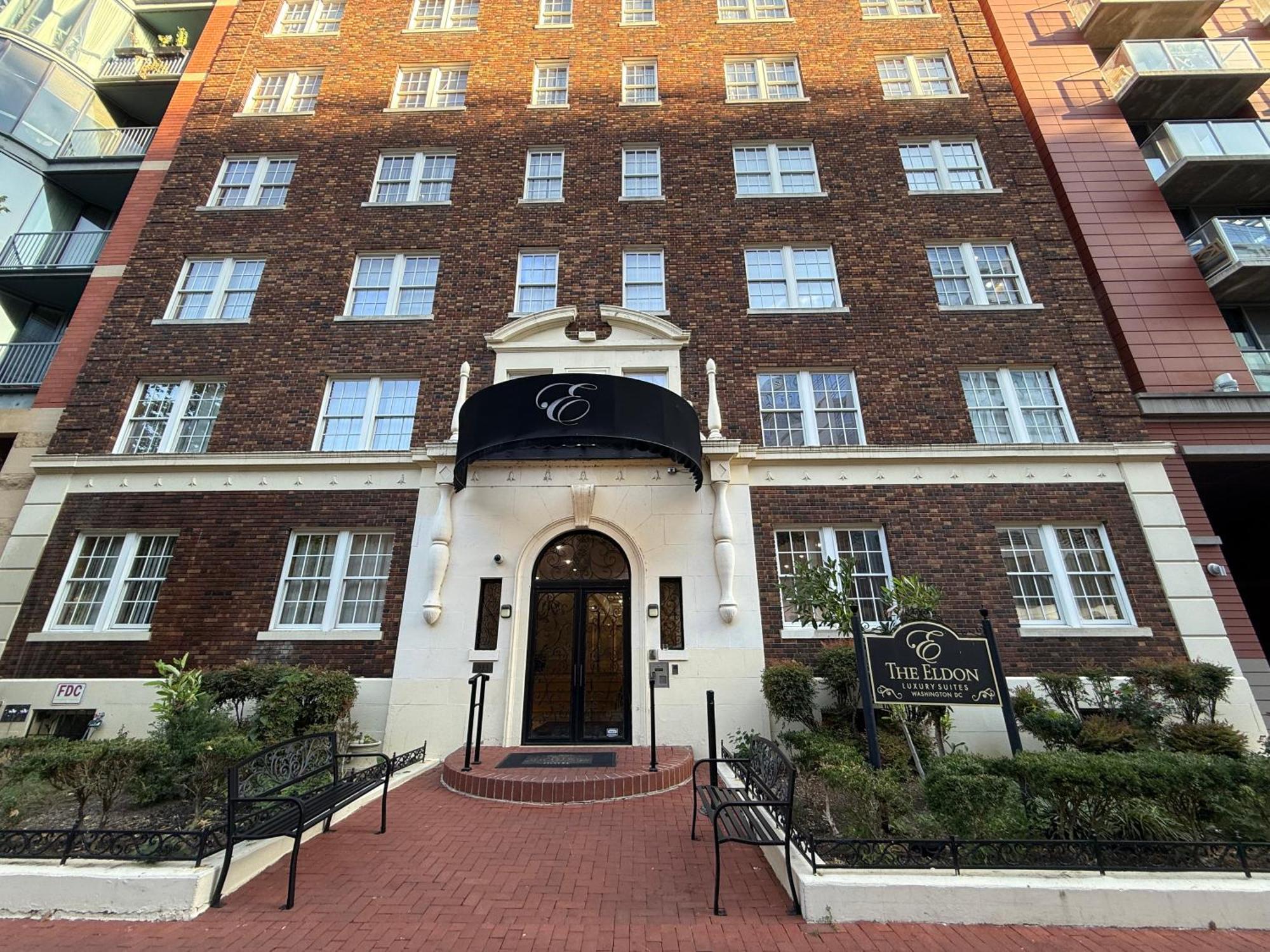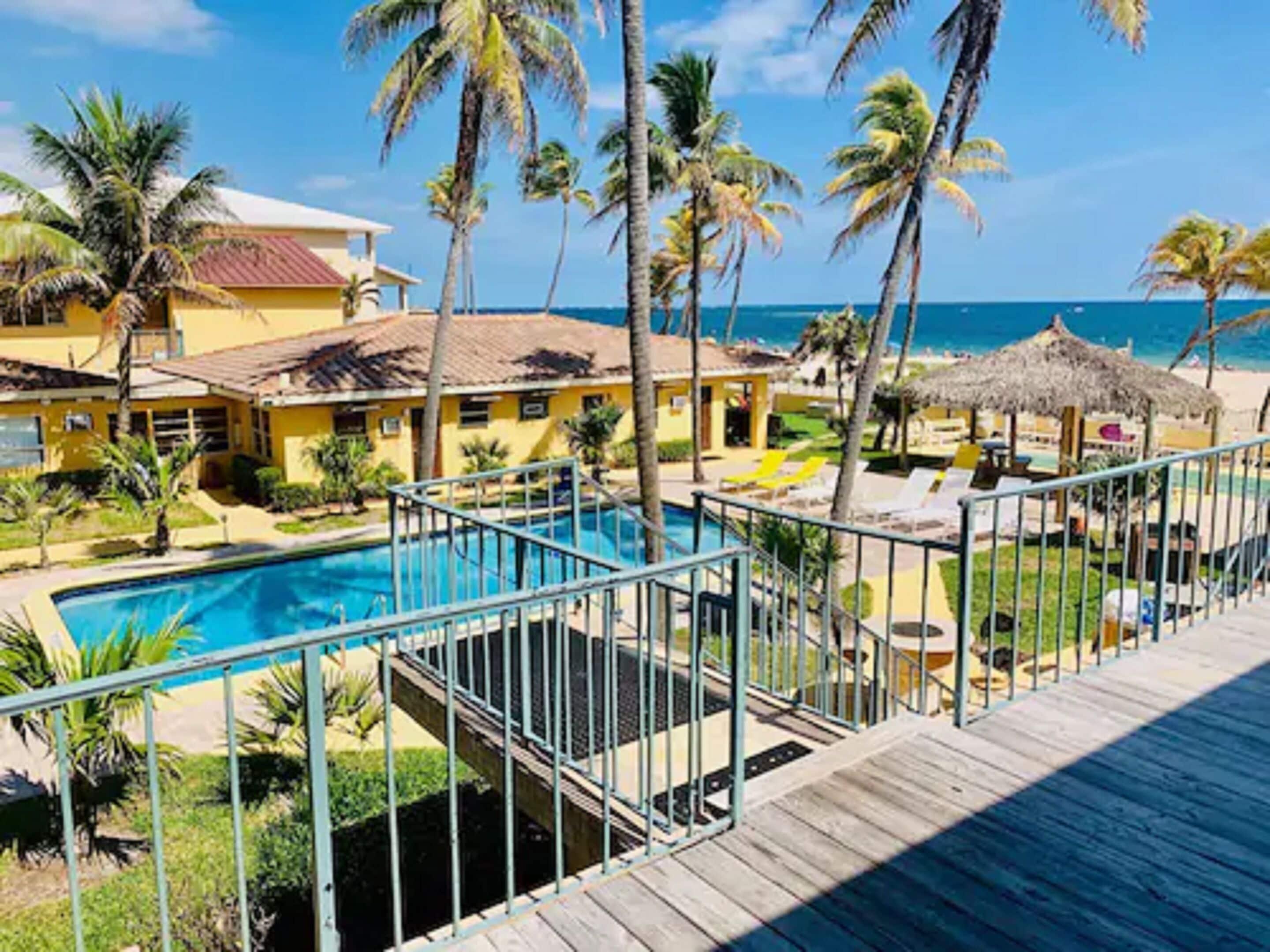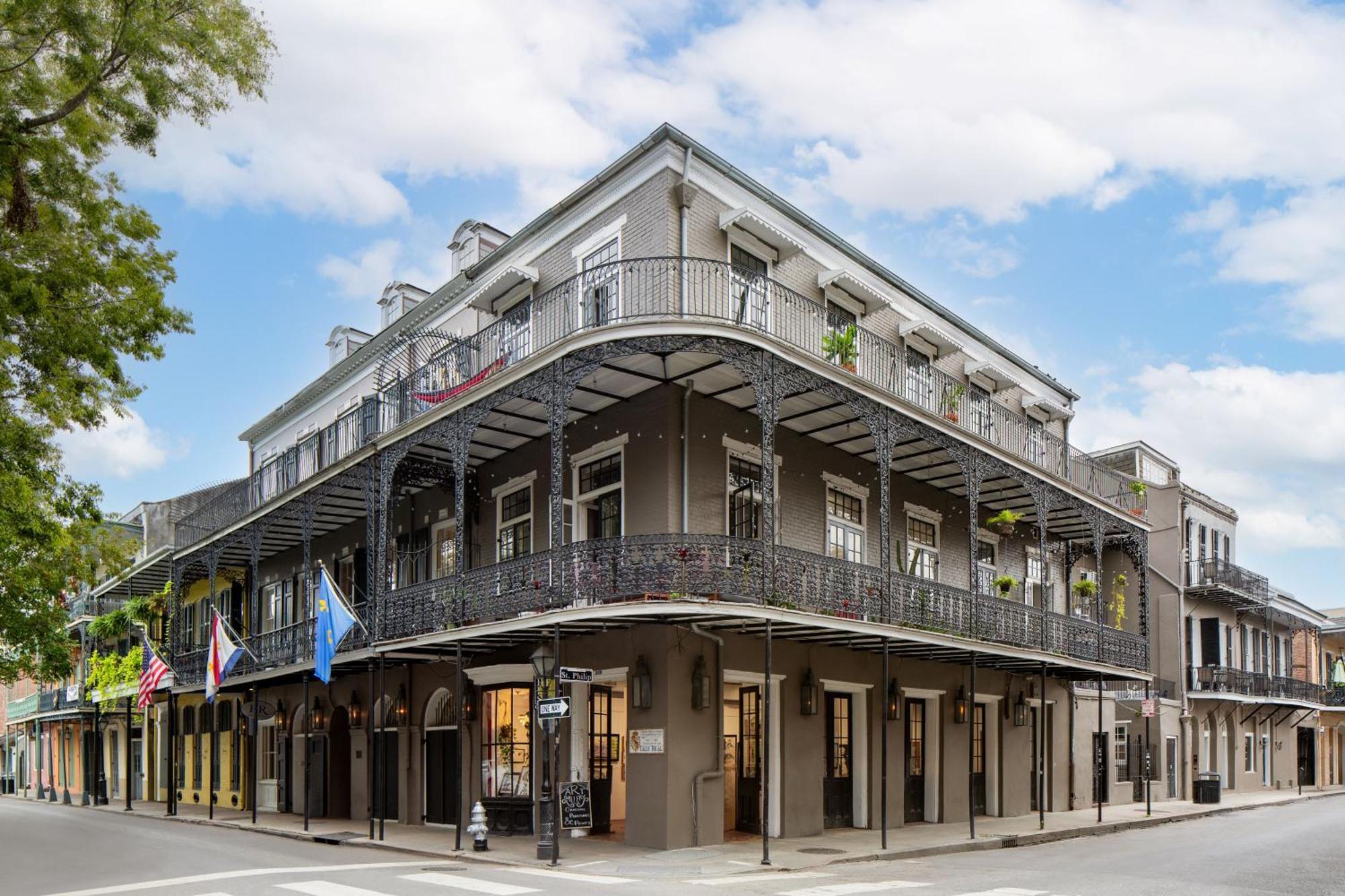
The Appalachian Mountains stretch over 2,000 miles across the eastern United States, spanning from Alabama to Maine and passing through states like Virginia, Pennsylvania, Vermont, Georgia, and New York. Whether you're targeting the Blue Ridge Parkway, the White Mountains, or the Shenandoah Valley, boutique and character-driven hotels here offer a genuine base for hiking, cycling, skiing, and scenic exploration - far from the cookie-cutter chain experience.
What It's Like Staying in the Appalachian Mountains
Staying in the Appalachian Mountains means trading urban density for trail access, ridge views, and small-town rhythms. Transport is almost entirely car-dependent - regional airports like Roanoke, Elmira/Corning, and Shenandoah Valley serve the corridor, but distances between towns routinely exceed 40 km, so renting a vehicle is non-negotiable for most visitors. Crowds concentrate on weekends and fall foliage season (peak in October), while weekday stays in spring or early summer offer noticeably quieter trails and lower rates.
Hikers, road-trippers, and couples seeking nature-focused escapes benefit most from basing here. Travelers who rely on public transit or prefer walkable urban cores will find the region logistically frustrating.
Pros:
- Direct trail and parkway access from most properties, reducing daily drive times
- Small-town atmosphere with local dining, breweries, and artisan shops within a short drive
- Lower accommodation density means boutique properties stand out and book up fast, especially on weekends
Cons:
- No meaningful public transit - a rental car is essential for every activity and dining option
- Cell service and Wi-Fi can be unreliable in more remote valley and ridge locations
- Limited late-night dining or nightlife options in most Appalachian towns
Why Choose Boutique Hotels in the Appalachian Mountains
Boutique hotels and inns in the Appalachian Mountains typically occupy converted farmhouses, historic lodges, or purpose-built cabin retreats - formats that genuinely suit the mountain setting. Unlike standard chain properties, these accommodations often include on-site dining with locally sourced menus, hot tubs, and curated common spaces that chain hotels in the region simply don't offer. Boutique rates here average around 20% higher than comparable 3-star chains, but the trade-off is meaningful: mountain views, personalized service, and settings that are architecturally tied to the landscape.
Room sizes at boutique inns in this corridor tend to be generous, often featuring private terraces or fireplaces, though amenity sets vary widely between a Vermont inn and a Georgia highway-adjacent Marriott affiliate. The Iris Inn in Waynesboro and Rabbit Hill Inn in Vermont represent the upper end of this boutique spectrum, with garden settings, hot tubs, and full breakfast service distinguishing them from mid-range options.
Pros:
- On-site restaurants and bars reduce the need to drive for dinner - critical in remote mountain areas
- Hot tubs, mountain views, and room service add practical recovery value after long hiking days
- Breakfast inclusion is common, eliminating the need to search for morning dining in small towns
Cons:
- Higher nightly rates than roadside chains, with limited last-minute availability in peak season
- Some properties are 40+ km from major attractions, requiring careful positioning research before booking
- Boutique character varies sharply - some properties are genuine inns while others are branded hotels in boutique-adjacent settings
Practical Booking & Area Strategy for Appalachian Mountain Stays
The Appalachian Mountain corridor covers multiple distinct sub-regions, and where you base yourself determines your entire itinerary. Waynesboro, Virginia is a strong base for Shenandoah National Park and the Blue Ridge Parkway, with trailheads reachable in under 30 minutes. Radford, Virginia places you within 24 km of Lane Stadium and close to Virginia Tech, making it practical for both campus visits and New River Trail hikes. In the northern Appalachians, Lower Waterford, Vermont sits around 40 km from Franconia Notch State Park - a key White Mountains access point for hikers and skiers.
For the southern Appalachians, Calhoun, Georgia is roughly 76 km from Chattanooga, offering proximity to Chickamauga Battlefield and the Cohutta Wilderness. Corning, New York bridges the Appalachian Plateau with the Finger Lakes, placing guests within 800 meters of the Corning Museum of Glass and 29 km from Watkins Glen International. Book at least 6 weeks ahead for fall foliage season (late September through October) - boutique properties along this corridor sell out faster than urban hotels because inventory is genuinely limited. Sayre, Pennsylvania offers a quieter northern entry point with easy access to the Endless Mountains region and the Susquehanna River valley.
Best Value Boutique Stays
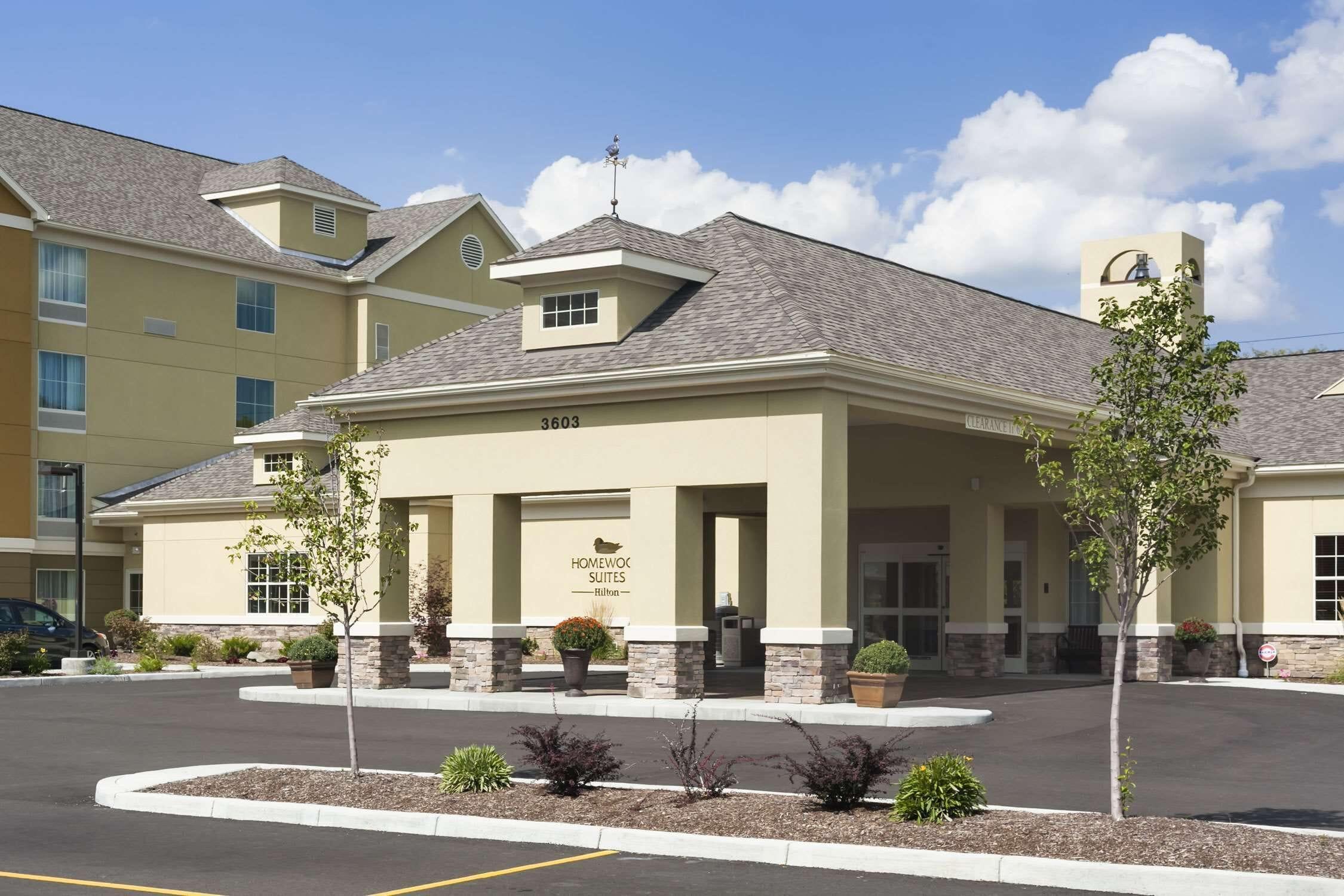
These properties deliver solid amenities, breakfast inclusion, and convenient access to Appalachian towns and trailheads at competitive nightly rates - suitable for travelers prioritizing practicality without sacrificing comfort.
-
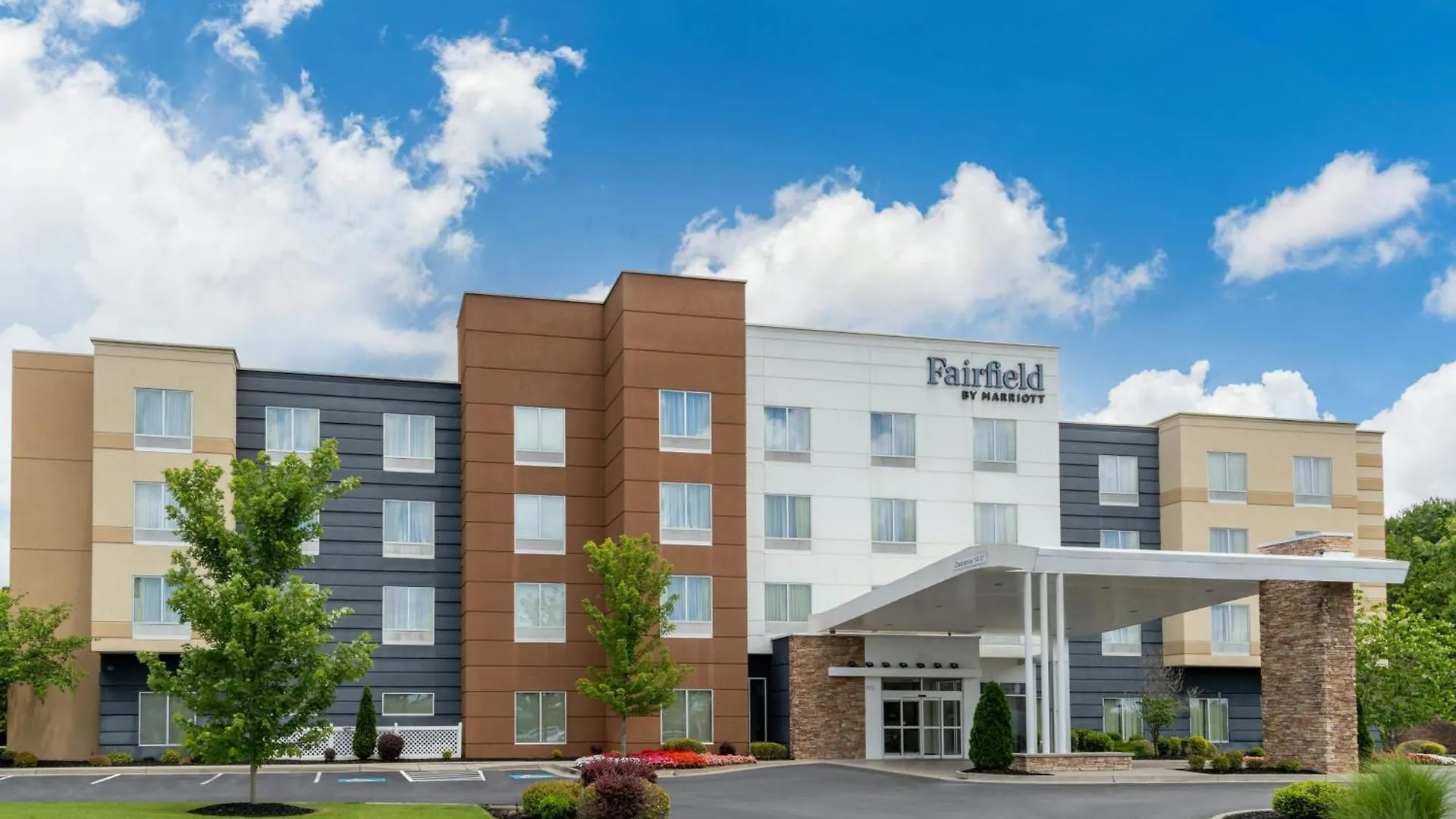
1. Fairfield Inn And Suites By Marriott Calhoun
Show on map


 Check-infrom 15:00 until 23:59Check-outuntil 12:00
Just a few rooms left at the best rate!
fromUS$ 134
-
2. La Quinta Inn By Wyndham Radford
Show on map


 Check-infrom 15:00 until 23:59Check-outuntil 11:00
Just a few rooms left at the best rate!
fromUS$ 85
-
3. Staybridge Suites Corning By Ihg
Show on map


 Check-infrom 15:00 until 23:59Check-outuntil 12:00
Hurry – almost gone at this price!
fromUS$ 93
-
4. Comfort Inn & Suites Sayre
Show on map


 Check-infrom 15:00 until 23:59Check-outuntil 11:00
Hurry – almost gone at this price!
fromUS$ 116
Best Premium Boutique Stays
These two properties operate as genuine inns with on-site dining, hot tubs, mountain or garden settings, and a level of hospitality detail that distinguishes them clearly from branded chain options in the Appalachian corridor.
-
5. Rabbit Hill Inn
Show on map


 Check-infrom 15:00 until 20:00Check-outuntil 11:00
Rooms filling fast – secure the best rate!
fromUS$ 811
-
6. Iris Inn And Cabins
Show on map


 Check-infrom 16:00 until 23:59Check-outfrom 10:00 until 11:00
Rooms filling fast – secure the best rate!
fromUS$ 796
Smart Travel & Timing Advice for Appalachian Mountain Stays
The Appalachian Mountains have two distinct demand peaks: fall foliage season runs from late September through late October and is the single highest-pressure booking period across all sub-regions - expect rates to rise around 30% above summer averages and boutique properties to fill weeks in advance. Summer (June through August) is the second busiest period, driven by hiking, cycling, and waterfall tourism, particularly in Virginia and Vermont segments. Winter brings a quieter corridor except near ski areas - properties like Rabbit Hill Inn near Franconia Notch benefit from ski demand while southern options in Georgia and Pennsylvania see their lowest occupancy.
Spring (April through May) offers the best combination of moderate pricing, accessible trails, and wildflower blooms along the Blue Ridge and Shenandoah - a genuine off-peak window that experienced Appalachian travelers increasingly target. A minimum of 3 nights is the practical threshold for most sub-regions, as day-trip distances between key attractions (trailheads, museums, state parks) are significant enough that a 1-2 night stay rarely allows full engagement with the area. Book boutique properties at least 8 weeks ahead for October stays; spring and winter bookings can often be made within 2 weeks without issue.