St. Augustine's Historic District is one of the most walkable neighborhoods in Florida, where colonial-era streets, 18th-century architecture, and pedestrian-only zones make a car largely unnecessary for sightseeing. For travelers choosing between generic chain hotels and character-driven stays, the B&Bs and apartment-style properties in this district offer genuine immersion - morning breakfasts served steps from Castillo de San Marcos, rooms with antique furnishings inside buildings that predate the American Revolution. This guide covers five specific properties across the Historic District, with honest comparisons, location context, and booking strategy to help you choose the right fit.
What It's Like Staying in the Historic District of St. Augustine
The Historic District is dense, walkable, and lived-in - nearly every significant attraction in St. Augustine sits within a 15-minute walk from its core. St. George Street, the main pedestrian spine, draws heavy foot traffic from mid-morning through early evening, which means properties directly on or near it are lively but audibly busy. Guests staying in B&Bs here generally skip the car entirely for their first day, moving between Flagler College, the Castillo, the Lightner Museum, and the bayfront on foot. The tradeoff is that parking - where available - often requires navigating narrow historic streets, and the area's popularity means weekend nights can feel crowded even outside peak season. Around 70% of the district's main sights cluster within 600 metres of the central plaza, which makes accommodation positioning unusually important here.
Pros:
- * Nearly all major landmarks reachable on foot from any B&B in the district
- * Authentic neighborhood feel with working restaurants, galleries, and cafés steps away
- * Free parking is available at select properties, a genuine advantage given limited street options
Cons:
- * Weekend evenings bring significant pedestrian noise near St. George Street and the bayfront
- * Narrow one-way streets make driving and arrival logistics more complicated than in suburban hotel zones
- * High demand during spring and summer means last-minute availability is scarce and prices climb sharply
Why Choose a B&B or Apartment Stay in the Historic District
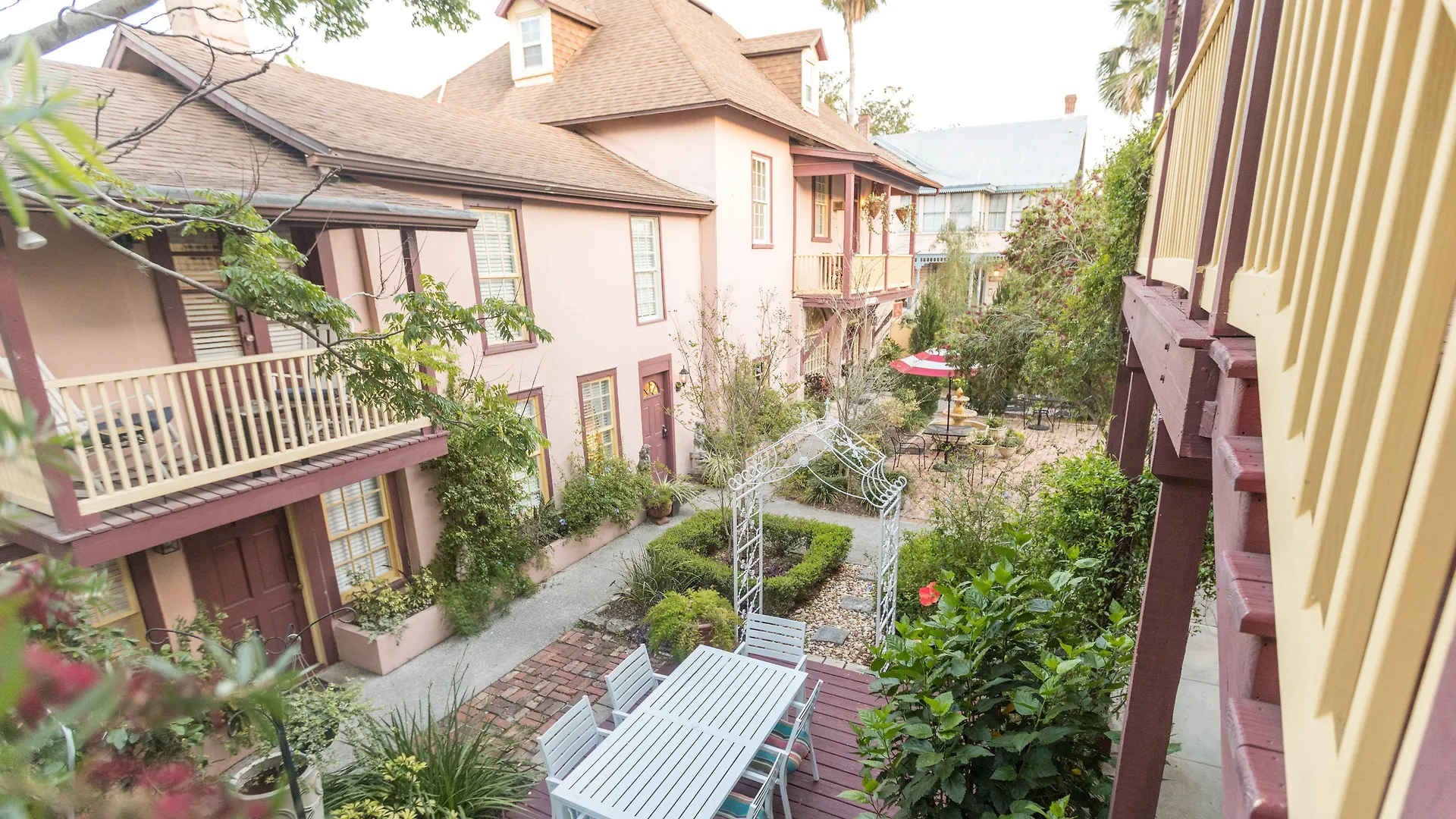
B&Bs in the Historic District occupy a specific niche: they sit inside buildings with genuine architectural history, often Victorian or Spanish Colonial in style, and they deliver a breakfast experience that chain hotels in the area simply cannot replicate. Room sizes in these properties tend to be smaller than modern hotels, but what they lack in square footage they make up for in period detail - hardwood floors, antique furnishings, fireplaces, and private balconies overlooking brick courtyards. Pricing at these properties generally runs competitive with mid-range hotels in the district, though the added value of daily breakfast, complimentary parking, and curated common spaces makes the effective cost more favorable than the nightly rate suggests. The trade-off is flexibility: check-in windows are often narrower, and the 24-hour front desk model found at larger hotels is not universal across smaller inns. Travelers who prioritize atmosphere over amenity volume consistently rate these stays higher than standard hotel alternatives in the same neighborhood.
Pros:
- * Daily breakfast included at most properties, often featuring local specialties or gourmet options unavailable at hotels
- * Buildings with genuine historic character - Victorian, Spanish Colonial, and antebellum architectural styles
- * Free parking included at several properties, a meaningful financial advantage in the Historic District
Cons:
- * Room sizes are typically more compact than what modern hotel builds offer at similar price points
- * Availability windows are limited - these are small-inventory properties where popular rooms book out weeks in advance
- * Less anonymity than a hotel; communal breakfast and shared lounges suit social travelers more than those wanting total privacy
Practical Booking & Area Strategy for the Historic District
Positioning within the Historic District makes a tangible difference in daily convenience. Properties on or near Aviles Street, Charlotte Street, and Avenida Menendez place guests within a short walk of both the bayfront and the central plaza, which is the practical hub for restaurant access and evening activity. The district's key attractions - Castillo de San Marcos, the Spanish Quarter Museum, Flagler College, and the Ximenez Fatio House - all fall within a walkable corridor, so any B&B inside the district perimeter functions well as a sightseeing base. The Old Town Trolley and carriage tours depart from stops near the central plaza, useful for outlying sites like the Fountain of Youth or St. Augustine Alligator Farm. Book at least 6 weeks ahead for any Friday or Saturday night between March and August - the district's small-inventory B&Bs fill faster than nearby hotel blocks and rarely discount during high season. Anastasia State Park and St. Augustine Beach are reachable in around 10 minutes by car from most Historic District properties, making a beach day realistic without relocating entirely.
Best Value B&Bs in the Historic District
These properties combine genuine Historic District positioning with breakfast-included rates and free parking - two advantages that reduce daily spend meaningfully in a neighborhood where both are otherwise costly.
-
1. The Kenwood Inn Oldest Bed And Breakfast, St Augustine Historic District
Show on map


-
2. Casa De Solana Bed And Breakfast
Show on map


-
3. Penny Farthing Inn
Show on map


Best Premium B&Bs in the Historic District
These properties add bayfront positioning, recently renovated interiors, or elevated breakfast programming that justifies the higher nightly rate for travelers prioritizing setting and detail over base-level comfort.
-
4. Bayfront Westcott House Bed & Breakfast
Show on map


-
5. Inn On Charlotte Boutique Hotel
Show on map


Smart Timing and Booking Advice for Historic District B&Bs
The Historic District operates on a pronounced seasonal rhythm. March through May is the busiest booking window, driven by spring break visitors, the Easter weekend crowd, and the onset of warmer weather that makes walking the district genuinely pleasant. Summer - June through August - stays busy but shifts toward family travelers and heat-tolerant visitors; afternoon thunderstorms are routine but short-lived. September and October represent the strongest value window: crowds thin noticeably, temperatures remain warm, and B&B rates tend to drop. December sees a secondary spike around the historic Nights of Lights festival, when the entire district is illuminated and walkable evenings become a draw of their own. For any weekend stay between March and August, book at least 6 weeks in advance - these properties carry fewer than 15 rooms on average, and popular room types with balconies or fireplaces disappear first. A minimum stay of 2 nights captures the full value of included breakfasts and the walking-based sightseeing rhythm the district rewards.