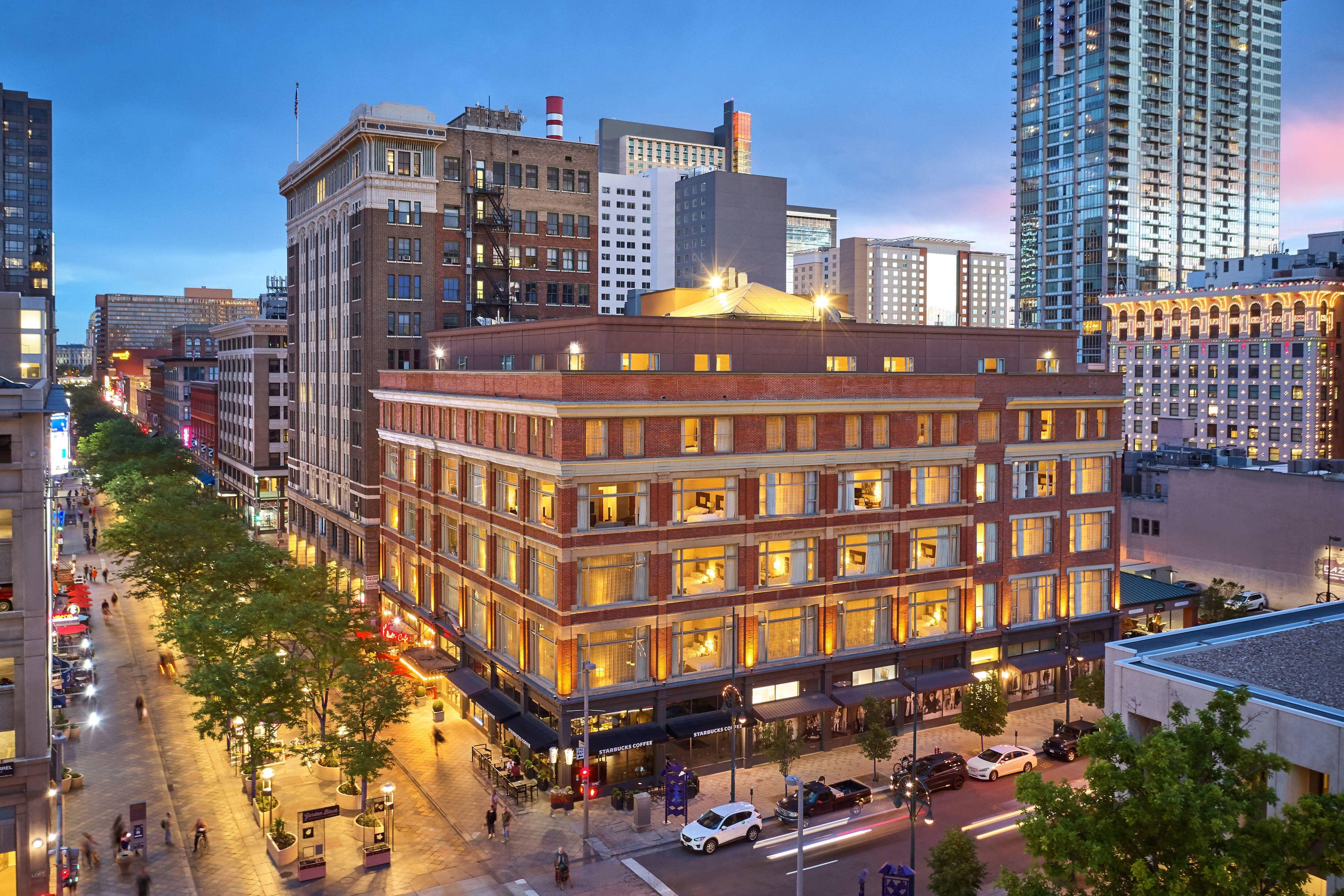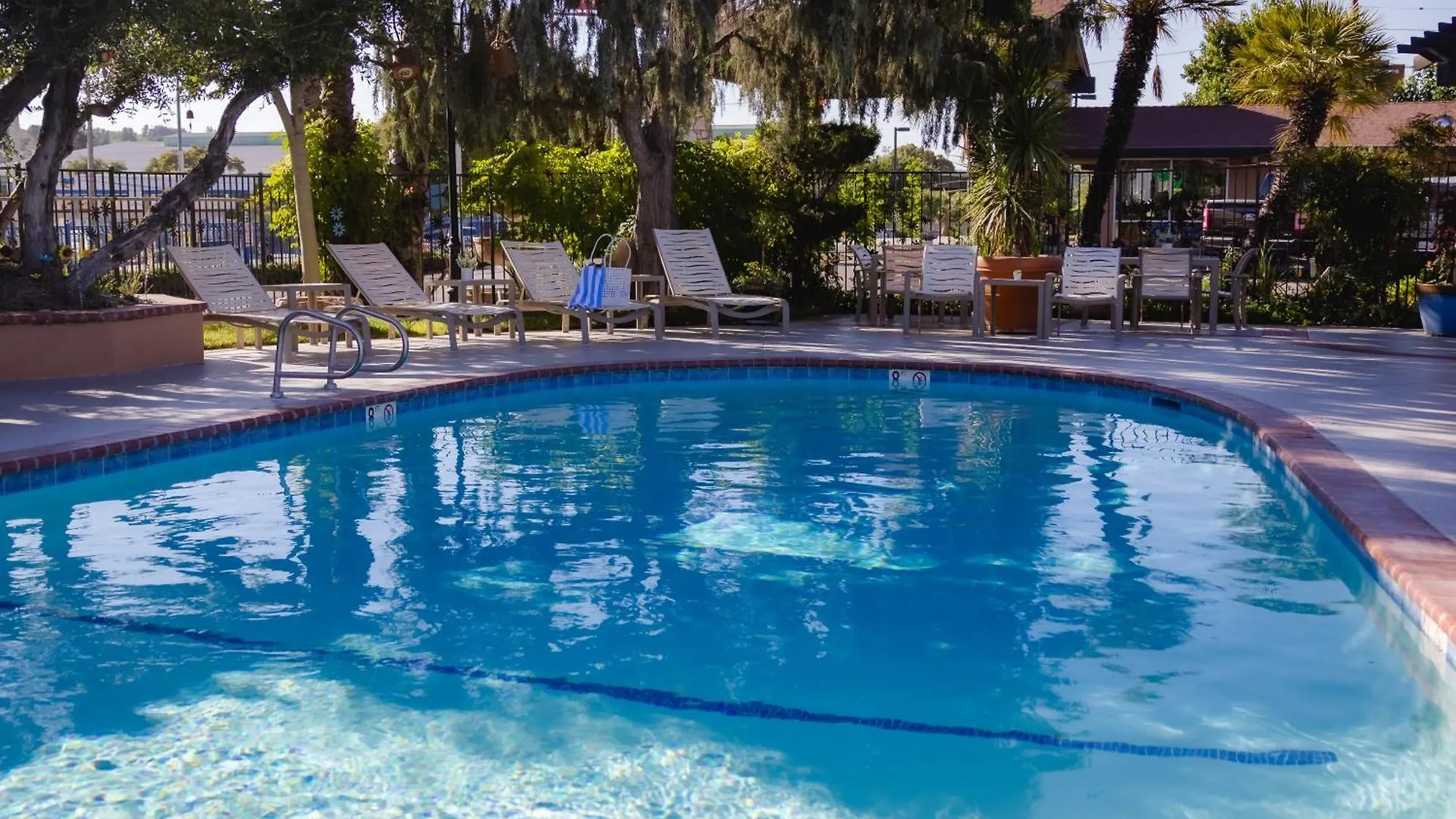
Paso Robles sits at the center of one of California's most productive wine regions, with over 200 wineries within close reach and a downtown built around slow-paced, walkable blocks. Visitors here aren't moving through a transit hub - they're choosing a base for wine tasting routes, Hearst Castle day trips, and evenings at the Paso Robles Event Center. The 3-star hotels in this area are clustered near Highway 101 and the downtown core, giving guests a practical balance between price, access, and comfort without the resort markup of San Luis Obispo properties.
What It's Like Staying Near Paso Robles Wine Country
The area around Paso Robles is car-dependent by design - wineries spread across Adelaida Road, Highway 46 West, and the east side off Highway 46 East, so having a vehicle isn't optional, it's essential. Downtown Paso Robles is compact and walkable within the immediate City Park block, but most attractions, including the wineries that define the region, require driving. Foot traffic around hotel zones near Highway 101 is light, making early check-ins and late-night arrivals stress-free compared to urban destinations. Paso Robles draws a mix of wine tourists, road-trippers on the Pacific Coast Highway route, and families headed to Hearst Castle - so weekends and harvest season in October bring noticeably higher occupancy. Travelers who prioritize walkability to restaurants and nightlife may find the downtown proximity worth paying extra for, while those who plan to spend most of their time driving vineyard routes will find hotels near Highway 101 equally functional at lower rates.
Pros:
- Central position between coastal attractions (Hearst Castle, Cambria) and inland wine routes
- Free parking is standard at virtually all 3-star properties, eliminating a daily cost common in larger cities
- Low nighttime noise levels compared to urban hotel corridors - most zones quiet down by 10 PM
Cons:
- No meaningful public transport - a rental car or personal vehicle is required for any winery visits
- Weekend rates spike during harvest season and major events at Paso Robles Event Center
- Dining options within walking distance of most hotels are limited after 9 PM
Why Choose 3-Star Hotels in Paso Robles
In Paso Robles, 3-star hotels occupy a practical sweet spot: they offer amenities like outdoor pools, complimentary breakfast, and free Wi-Fi at rates that typically run around 40% lower than boutique wine country inns while still delivering comfortable, well-equipped rooms. Unlike budget motels along Highway 101, the 3-star tier here generally includes in-room microwaves, mini-fridges, and flat-screen TVs - features that matter when you're spending multiple nights and want flexibility around meals. Room sizes at this category tend to be noticeably more generous than what you'd find at urban 3-star equivalents, reflecting the lower land costs outside major metro areas. The trade-off is that design and atmosphere are functional rather than curated - you won't find the exposed-beam wine country aesthetic that boutique B&Bs deliver, but you will find consistent standards, reliable Wi-Fi, and on-site fitness access. For travelers whose priority is using the hotel as a recovery base between outdoor and winery activities, this category delivers strong value without the premium of resort-style properties.
Pros:
- Breakfast inclusion (at select properties) reduces daily food costs meaningfully on multi-night stays
- Outdoor pools and hot tubs available at multiple properties - practical after long days of wine tasting
- Consistent amenity sets (fridge, microwave, coffee maker) across the category support self-catering flexibility
Cons:
- Aesthetic and atmosphere are functional rather than boutique - rooms won't reflect the wine country character of the region
- On-site dining is limited or absent at most properties in this tier
- Proximity to Highway 101 at some locations can introduce road noise on street-facing rooms
Practical Booking & Area Strategy for Paso Robles
For guests focused on wine tasting, properties along or just off Spring Street and Pine Street near the downtown core place you within a short drive of both the Highway 46 West wine corridor (home to Tablas Creek, Paso Robles' most acclaimed winery region) and the Highway 46 East side where higher-volume producers like EOS Estate operate. Hotels positioned closer to the Paso Robles Event Center on Niblick Road are convenient during festival weekends but carry no real advantage on quieter weeks. The Paso Robles Event Center hosts events including the California Mid-State Fair in late July and the Harvest Wine Weekend in October - during these periods, book at least 6 weeks in advance as the limited hotel inventory fills quickly and rates increase sharply. Beyond wine, the area connects easily to Hearst Castle (around 40 miles west via Highway 46 and Highway 1), the charming coastal town of Cambria, and Mission San Miguel just north of town - making Paso Robles a functional central base for a broader Central Coast itinerary rather than a single-destination stop.
Best Value Stays in Paso Robles
These properties offer strong amenity packages at competitive price points, making them well-suited for multi-night wine country stays where the hotel functions as a comfortable, well-equipped base.
-
1. Adelaide Inn
Show on map


 Check-infrom 15:00 until 23:59Check-outuntil 11:00
Just a few rooms left at the best rate!
fromUS$ 94
-
2. La Quinta By Wyndham Paso Robles
Show on map


 Check-infrom 16:00 until 23:59Check-outuntil 11:00
Just a few rooms left at the best rate!
fromUS$ 109
-
3. Farmhouse Paso
Show on map


 Check-infrom 15:00 until 22:00Check-outfrom 07:00 until 11:00
Hurry – almost gone at this price!
fromUS$ 379
Best Premium Stay in Paso Robles
For travelers seeking a more immersive wine country experience with mountain views and a boutique atmosphere, this property steps above the standard 3-star formula.
-
4. Sirena Resort
Show on map


 Check-infrom 15:00 until 23:59Check-outuntil 11:00
Rooms filling fast – secure the best rate!
fromUS$ 295
Best Time to Book a 3-Star Hotel in Paso Robles
Paso Robles operates on a clear seasonal rhythm driven by harvest and festival events rather than weather alone. October is the single most competitive month to book - Harvest Wine Weekend draws visitors from across California and beyond, filling the limited hotel inventory within days of event announcements. The California Mid-State Fair in late July creates a secondary demand spike that catches first-time visitors off guard. Outside these windows, spring (March through May) offers the most favorable combination of vineyard activity - vines are leafing out and tasting rooms are quieter - and rates that run noticeably below summer peaks. Winter months from December through February see the lowest occupancy across all hotel categories, and last-minute bookings in this window are realistically available, sometimes at discounts of around 25% off peak rates. For stays tied to specific events, booking 6 weeks out is a minimum; for open-date wine country trips, arriving Tuesday through Thursday consistently yields better availability and rate stability than weekend check-ins. A stay of 3 nights is generally the practical minimum to cover both the west and east side wine corridors without feeling rushed.