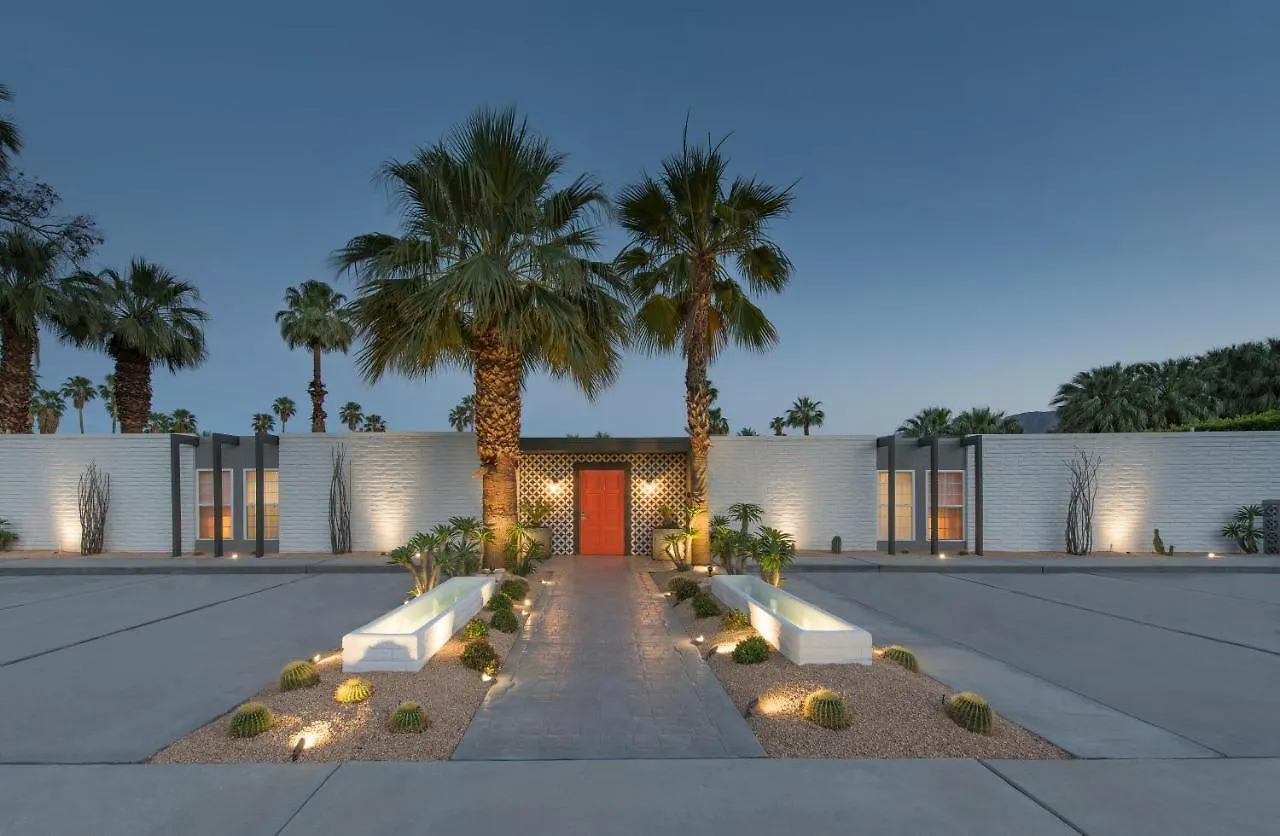
Downtown Palm Springs concentrates the highest density of restaurants, galleries, and mid-century architecture in the Coachella Valley - and staying centrally means you access all of it without a car. This guide breaks down the two best centrally located hotels in the area, comparing room configurations, practical distances, and what each property genuinely delivers for different travel styles.
What It's Like Staying in Downtown Palm Springs
Downtown Palm Springs is built around Palm Canyon Drive, a walkable commercial spine where most dining, shopping, and nightlife sits within a 10-minute walk of centrally located hotels. The district operates on a pedestrian rhythm during the cooler months - October through May - when sidewalk café culture and evening strolls define the pace, while summer heat shifts activity almost entirely to mornings and poolside hours. Foot traffic on Palm Canyon Drive peaks Thursday nights during VillageFest, a weekly street fair that draws locals and visitors alike, so expect noise and energy well into the evening if your hotel sits on or near that corridor.
Pros:
* Walkable access to the Palm Springs Art Museum, VillageFest, and dozens of restaurants without needing a rideshare
* Free or low-cost self-parking is common at centrally located hotels, removing a typical urban travel cost
* The compact grid layout makes orientation easy - most of downtown can be explored on foot in a single afternoon
Cons:
* Thursday night VillageFest and weekend bar traffic generate real street noise until around midnight
* Central hotels carry a price premium compared to properties in Cathedral City or Rancho Mirage
* Summer temperatures regularly exceed 110°F, making any outdoor activity before 8 a.m. or after sunset a logistical constraint
Why Choose a Centrally Located Hotel in Downtown Palm Springs
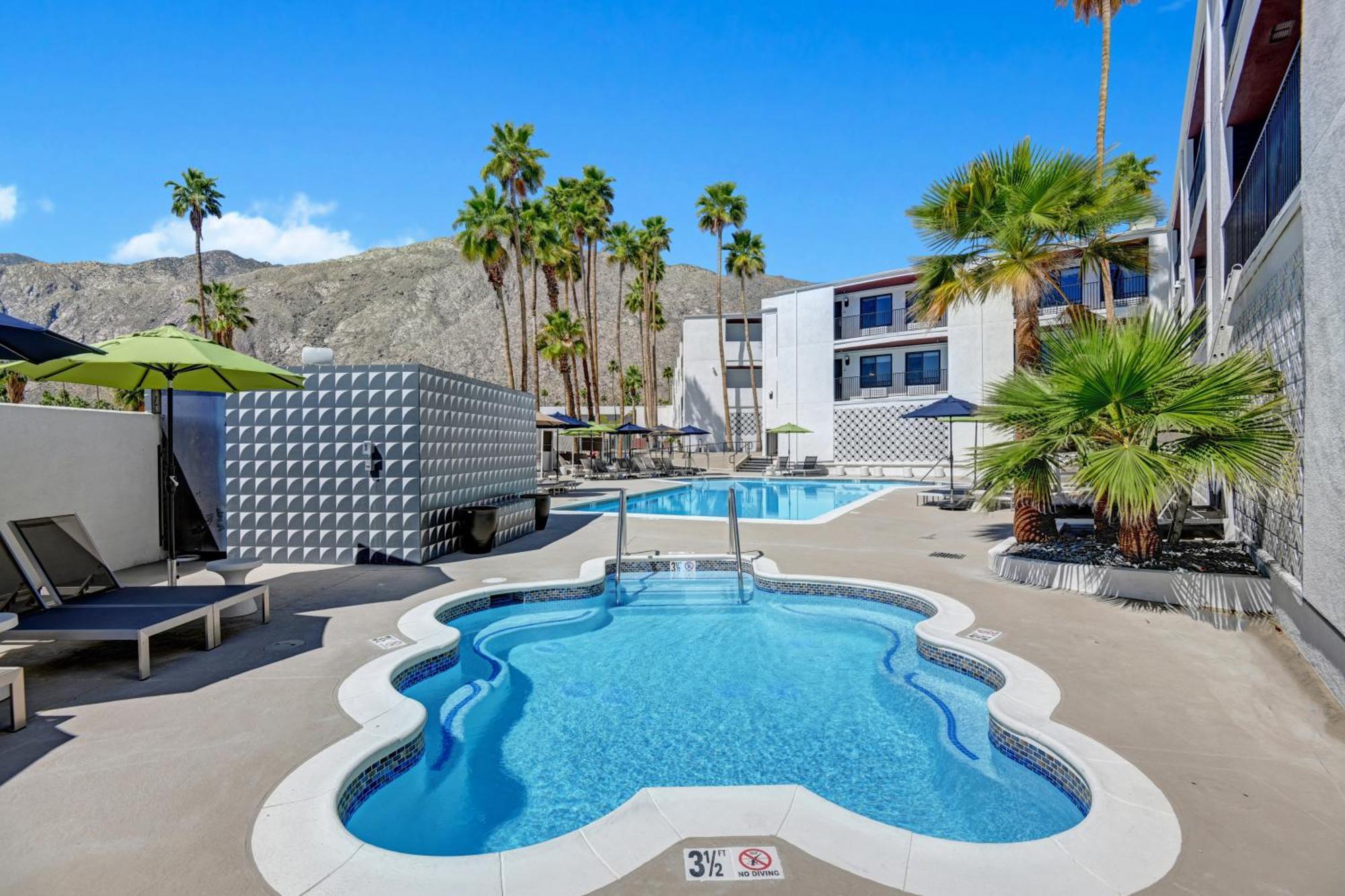
Central hotels in Downtown Palm Springs are almost always apartment-style or suite-format properties rather than large branded towers - a structural characteristic of the district that translates into more square footage per booking compared to standard hotel rooms at similar price points. Properties here typically include private patios, pool access, and kitchenette or full kitchen setups, which matters especially for stays of around 3 nights or more where dining out every meal becomes both expensive and exhausting. The trade-off is scale: you won't find a concierge desk, a lobby bar, or on-site dining at most of these properties, so guests who depend on full-service hotel infrastructure will find the central district's offerings lean.
Pros:
* Suite-style layouts with separate living areas and full kitchens reduce daily spend on meals without sacrificing comfort
* Outdoor pools at central properties are typically private or semi-private, with less competition for a sun lounger than at resort-scale hotels
* Free parking included at most centrally located properties - a meaningful saving given downtown Palm Springs parking costs
Cons:
* Limited on-site dining or F&B - no lobby restaurants or room service at boutique-format central hotels
* Smaller property scale means fewer room-type choices and faster sellout during peak season weekends
* Noise insulation varies widely; rooms closest to Palm Canyon Drive or the pool area can be loud on weekend evenings
Practical Booking & Area Strategy for Downtown Palm Springs
The most walkable hotel positioning in Downtown Palm Springs centers on the blocks immediately east and west of Palm Canyon Drive between Tahquitz Canyon Way and Amado Road - properties here put the Palm Springs Art Museum, the Thursday VillageFest market, and the highest concentration of restaurants within a 5-minute walk. The Palm Springs International Airport sits around 4 km from downtown, making rideshare arrivals quick and affordable; most guests skip a rental car entirely if they're staying centrally. Book at least 6 weeks ahead for any weekend between January and April - this is the high-demand window when snowbirds, festival crowds, and the Modernism Week audience compress available inventory sharply and push nightly rates up significantly. For the Indian Canyons, the Aerial Tramway (which ascends to 8,516 feet at the Mountain Station), or Tahquitz Canyon, a car or rideshare adds around 15 minutes from downtown, so day-trip access remains practical even without a vehicle. Quieter streets like Cahuilla Road and Via Miraleste, just one to two blocks off Palm Canyon Drive, offer a noticeably calmer night-time atmosphere for light sleepers.
Hotel Comparison
Both hotels below offer suite-style configurations with pools and free parking in Downtown Palm Springs. The Weekend Palm Springs leans toward a more polished boutique experience, while Blackhaus Suites by AvantStay suits groups or longer stays needing multi-bedroom apartment layouts.
-
1. The Weekend By Avantsay
Show on map


 Check-infrom 15:00 until 23:30Check-outuntil 11:00
Just a few rooms left at the best rate!
fromUS$ 270
-
2. Blackhaus By Avantstay
Show on map


 Check-infrom 16:00 until 23:59Check-outuntil 11:00
Hurry – almost gone at this price!
fromUS$ 146
Smart Travel & Timing Advice for Downtown Palm Springs
January through April is the peak window in Downtown Palm Springs - temperatures are comfortable, the social calendar is full (Modernism Week in February draws architecture enthusiasts from across the country), and nightly rates at central properties can run significantly higher than the summer low season. Booking around 6 weeks in advance is the practical threshold for securing the best suite configurations before inventory compresses. May offers a transitional sweet spot: crowds thin, prices drop, and daytime temperatures are still manageable for walking Palm Canyon Drive. Summer stays from June through September come with the steepest discounts - often around 40% below peak rates - but require accepting extreme heat that limits outdoor time to early mornings and evenings. For a central hotel stay that balances atmosphere, accessibility, and value, October and November deliver the most relaxed version of the downtown experience, with local restaurants and galleries operating at full capacity and minimal weekend congestion. Two to three nights is typically enough to cover the core downtown attractions; longer stays benefit most from properties with full kitchen setups to manage meal costs.